

Iran's government has appointed a new governor for its central bank in the midst of a severe economic crisis that has sparked widespread public unrest. The decision follows the resignation of the previous chief after the national currency, the rial, plummeted to a historic low against the US dollar.
Leadership Change Amid Economic Turmoil
On Wednesday 31 December 2025, the cabinet of President Masoud Pezeshkian confirmed the appointment of Abdolnasser Hemmati, a former economics minister, as the new head of the Central Bank of the Islamic Republic of Iran. The announcement was made by the state-run IRNA news agency. Hemmati, 68, succeeds Mohammad Reza Farzin, who submitted his resignation on Monday, just one day after some of the largest protests in three years erupted across the country.
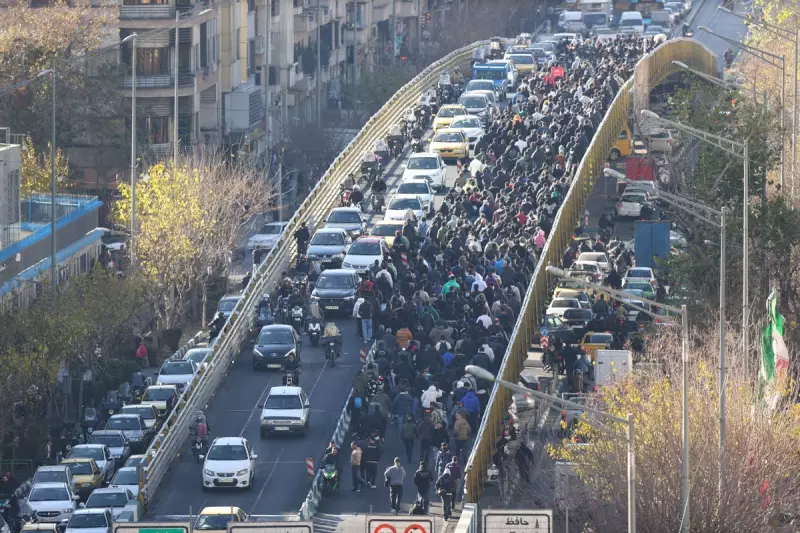
The protests were directly triggered by the staggering devaluation of the Iranian rial. On Wednesday, the US dollar was trading at 1.38 million rials, a stark contrast to the rate of 430,000 rials when Farzin assumed his role in 2022. This dramatic depreciation, coupled with an official inflation rate of 40%, has caused immense public discontent, leading many traders and shopkeepers to close their businesses and take to the streets in Tehran and other major cities.

Inflation and Sanctions Fuel Public Anger
The combination of rapid currency depreciation and intense inflationary pressure has sent the cost of food and basic necessities soaring. This has placed unbearable strain on household budgets already crippled by years of Western sanctions imposed over Iran's nuclear programme. Experts warn the situation may deteriorate further following recent government changes to gasoline prices.
In a statement on the social media platform X, government spokeswoman Fatemeh Mohajerani outlined Hemmati's urgent agenda, which will focus on:
- Controlling rampant inflation.
- Strengthening the national currency.
- Addressing widespread mismanagement within the banking sector.
Hemmati's return to a key economic post is notable. He previously served as minister of economic and financial affairs under President Pezeshkian but was dismissed by parliament in March over allegations of mismanagement and policies that allegedly weakened the rial.
Protests and Government Response
The economic frustration has translated into significant civil unrest. Witnesses reported that merchants kept their shops closed in Tehran's main bazaars, as well as in the southern city of Shiraz and the western city of Kermanshah. The protests have not been without incident.
According to the Mizanonline news outlet, a local judiciary official in the south, Hamed Ostevar, stated that protests in Fasa turned violent when crowds broke into a governor's office, injuring three police officers. Ostevar denied reports that a young man had been killed during the demonstrations and confirmed four arrests.
The government has issued a stern warning against the unrest. Prosecutor General Mohammad Movahedi Azad was cited as saying that any attempt to turn economic protests into insecurity or to follow "foreign scenarios" would be met with a strong reaction.
The current crisis marks a bleak reversal from a period of relative stability. At the time of the 2015 nuclear accord, which lifted international sanctions, the rial traded at around 32,000 to the dollar. The deal collapsed after former US President Donald Trump unilaterally withdrew the United States from it in 2018, setting the stage for the current economic predicament.






