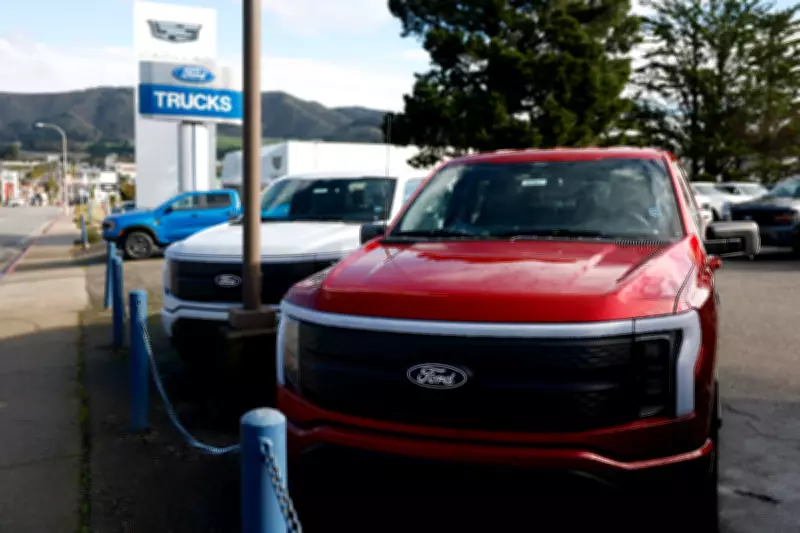
In a significant development for the automotive and financial sectors, two of America's largest car manufacturers have secured conditional approval to establish their own banking operations. Ford and General Motors recently received authorisation from the Federal Deposit Insurance Corporation (FDIC), the U.S. agency that safeguards customer deposits up to a specified limit in the event of bank failure.
Transforming Auto Financing Landscape
This regulatory green light could fundamentally reshape how new vehicles are financed across the United States. The move arrives at a critical juncture when consumers face increasingly steep prices for automobiles, with average costs now surpassing $50,000 and extended loan repayment periods becoming more commonplace.
Industrial Bank Structure and Operations
Under the conditional approvals issued on January 22, 2026, both automotive giants have twelve months to launch their banking entities. Ford Credit Bank and GM Financial Bank will be chartered as industrial banks in Utah, permitting them to accept FDIC-insured deposits and offer nationwide auto financing products.

Industrial banks, sometimes referred to as industrial loan companies, have historically attracted regulatory scrutiny because they blur traditional boundaries between banking and commercial operations. This structural separation has long been maintained to prevent conflicts of interest and ensure fair market competition.
How the New Banking Model Works
Ford plans to introduce digital savings products through its banking arm, while General Motors aims to diversify and stabilise funding sources alongside its existing financial services. Both institutions will facilitate car financing nationwide by purchasing loans from their respective dealer networks.
These automotive banks will primarily fund their lending activities using customer deposits gathered through websites and mobile applications, marking a departure from conventional financing models. Traditionally, auto loans have been financed through established banks, credit unions, or automaker finance arms that borrow from investors and wholesale markets rather than directly from consumer deposits.
Regulatory Safeguards and Industry Response
The FDIC has imposed specific requirements on both institutions, including maintaining adequate capital reserves with Ford and GM providing financial backing for their respective banks. This regulatory oversight aims to address concerns about financial stability and consumer protection.
Supportive Perspectives
Proponents argue that these new banking entities will enhance competition and broaden access to regulated financial services. The National Association of Industrial Bankers has welcomed the FDIC decision, suggesting it could increase consumer choice and support credit availability nationwide.
"GM Financial Bank and Ford Credit Bank will strengthen the critical U.S. manufacturing and automotive sectors through their services to customers," stated Frank Pignanelli, Executive Director of NAIB.
Critical Concerns and Warnings
However, sceptics caution that combining banking with commercial operations creates inherent risks and potential conflicts of interest. Former FDIC vice chairman Thomas Hoenig, now a senior fellow at the Mercatus Center research institute, emphasised the fundamental purpose behind separating banking from commerce.
"The separation of banking and commerce is there for a reason: to avoid conflicts of interest," Hoenig told The Hill. The primary concern centres on whether companies owning their own banks might use lending power to benefit themselves or affiliated businesses, potentially disadvantaging competitors in the marketplace.
Critics additionally warn that these automotive banks could face temptation to issue risky loans primarily to drive vehicle sales, raising questions about financial prudence and consumer safeguards in an already expensive automotive market.