
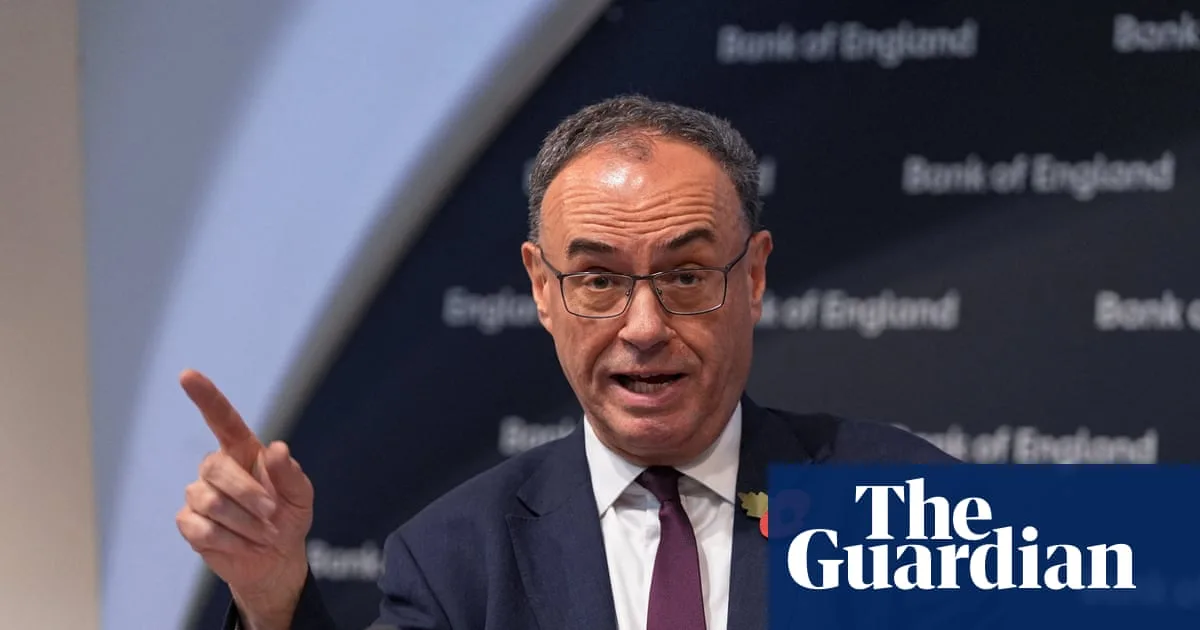
Andrew Bailey, the governor of the Bank of England, has warned that the rise of populism represents one of the biggest threats to improvements in living standards, urging global institutions to fight back against populist narratives. In a thinly veiled response to Donald Trump's attempts to interfere with the independence of the US Federal Reserve, Bailey said he and other institutional heads had a duty to 'challenge back'.
'Part of the purpose of international agencies is that from time to time they have to tell us what we don't want to hear, let alone act upon,' Bailey said in a speech ahead of the World Economic Forum in Davos. 'Of course, they have to be accountable for the accuracy and quality of the assessment. But, accepting that, we have to call out messenger shooting.'
Bailey was among ten central bank governors, including European Central Bank chair Christine Lagarde, who offered 'full solidarity' to Federal Reserve chair Jerome Powell after he revealed legal threats. The governor identified three defining features of populism: a tendency towards domestic production over international openness; attributing unfavourable conditions to 'outside forces'; and fuelling decline in trust in institutions.
'For those of us who are institutionalised, the answer is that we have to challenge back, in deeds more than just words. But, we have to ensure our houses are in order too,' Bailey said. He acknowledged that years of lacklustre growth and stalling living standards had made promoting global openness harder, but added that isolationist policies could not overcome current challenges.
Bailey has faced criticism from Reform UK leader Nigel Farage, who has called for greater political influence on the Bank and suggested replacing Bailey as governor. Former prime minister Liz Truss has also complained about UK institutions, accusing them of being part of a 'deep state'.




