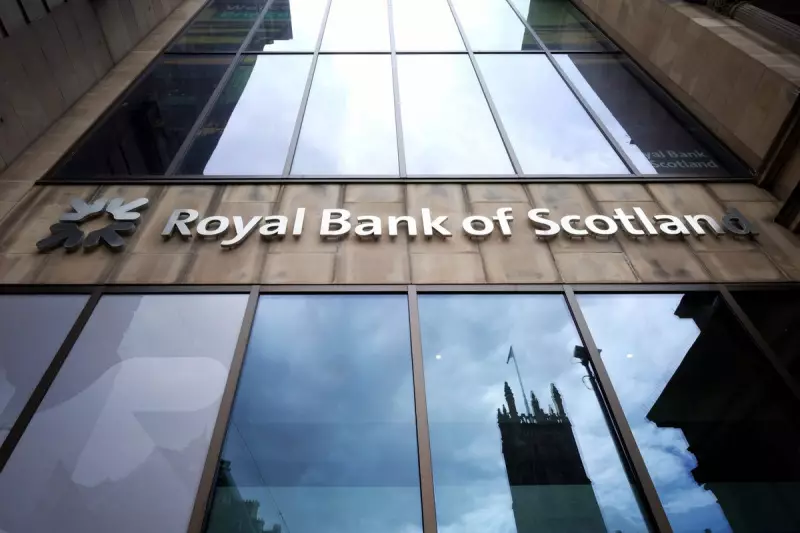
Bank of Scotland Hit with £160,000 Fine for Russian Sanctions Violations
The Bank of Scotland has been penalised with a substantial £160,000 fine by the UK Treasury's enforcement body after it was found to have processed multiple payments that breached financial sanctions imposed against Russia. The Office of Financial Sanctions Implementation (OFSI) concluded its investigation, revealing that the bank facilitated 24 separate transactions, amounting to a total of £77,383, which were directed to or from a personal current account held by a British citizen who is listed under the government's sanctions regime.
Details of the Sanctions Breach
These illicit payments occurred over a concentrated period between 8 and 24 February 2023. The UK, in coordination with international allies, has enforced extensive sanctions targeting Russian sectors, businesses, and specific individuals following the invasion of Ukraine. Such designations typically involve a comprehensive asset freeze and a strict investment ban, making any financial dealings with these entities or persons illegal.
OFSI's thorough investigation uncovered that the UK-designated individual managed to open an account at Halifax, which operates as a subsidiary of the Bank of Scotland, on 6 February 2023. Crucially, the individual reportedly used a UK passport that featured a spelling variation of their name, differing slightly from the exact name recorded on the official sanctions list. These variations included subtle changes in characters and the omission of a middle name.

System Failures and Identification
This discrepancy meant that the account was not flagged as a potential match by the bank's automatic sanctions screening system, which is designed to detect and prevent such breaches. Consequently, the account remained active and unrestricted until 24 February 2023, when the customer was eventually identified as a designated person. This identification occurred as part of a routine politically exposed person (PEP) screening process, which is intended to scrutinise individuals who may pose a higher risk due to their political connections or status.
Penalty Reduction and Bank Response
The financial penalty imposed on the Bank of Scotland, which is a key component of the Lloyds Banking Group, was notably reduced by 50 per cent. This reduction was granted because the bank voluntarily disclosed the breaches to OFSI approximately one month after the payments were processed, demonstrating a degree of cooperation and transparency in addressing the violation.
A spokeswoman for Lloyds Banking Group emphasised that the institution "takes its regulatory responsibilities extremely seriously". She stated, "We acted swiftly and transparently, proactively referring this one-off, isolated matter to OFSI and working closely with them throughout. OFSI has recognised our prompt voluntary disclosure, resulting in the maximum possible reduction of the penalty. We have further strengthened our controls to ensure we continue to meet the highest standards of risk management and governance."
Broader Context of Sanctions Enforcement
This incident underscores the ongoing challenges and complexities faced by financial institutions in complying with stringent sanctions regimes. As the UK and its allies continue to tighten measures against Russia, particularly targeting its energy sector and military intelligence, the role of bodies like OFSI becomes increasingly critical in monitoring and enforcing compliance across the banking industry. The case serves as a stark reminder of the importance of robust screening systems and vigilant oversight to prevent similar breaches in the future.