The Bank of Scotland has been hit with a substantial financial penalty of £160,000 by a key UK Treasury enforcement body for processing payments that violated stringent financial sanctions against Russia.
Details of the sanctions breach
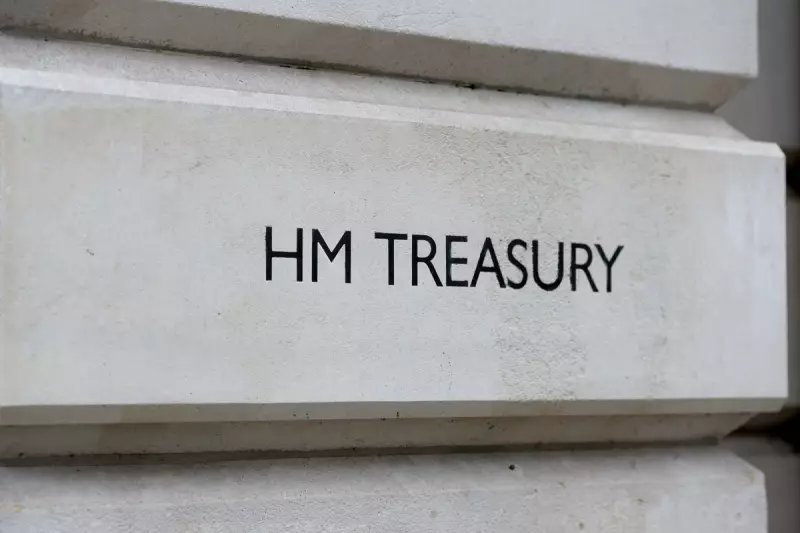
The Office of Financial Sanctions Implementation (OFSI), which operates under HM Treasury, discovered that the bank processed 24 separate payments to or from a personal current account held by a British citizen who appears on the Government's official list of sanctioned individuals.
These transactions, which occurred between February 8 and February 24 in 2023, amounted to a total value of £77,383. The UK has implemented comprehensive sanctions against sectors, businesses, and individuals believed to be facilitating Russia's ongoing invasion of Ukraine, with most sanctioned persons subject to strict asset freezes and investment prohibitions.

How the breach occurred
The investigation revealed that the UK-designated individual had opened an account at Halifax, which is part of Bank of Scotland, in late 2020. Crucially, the person used a UK passport containing a spelling variation of their name that differed from the exact spelling recorded on the official sanctions list.
This discrepancy meant that the bank's automated sanctions screening system failed to flag the account as a potential match, allowing the prohibited payments to proceed undetected through normal banking channels.
Mitigating factors in the penalty
The Bank of Scotland, which operates as part of the larger Lloyds Banking Group, received a significant 50% reduction in its financial penalty due to its voluntary disclosure of the breaches. The bank reported the violations to OFSI approximately one month after the problematic payments were made, demonstrating cooperation with regulatory authorities.
This case highlights the ongoing challenges financial institutions face in implementing effective sanctions screening systems, particularly when dealing with name variations and the complex requirements of international sanctions regimes.