
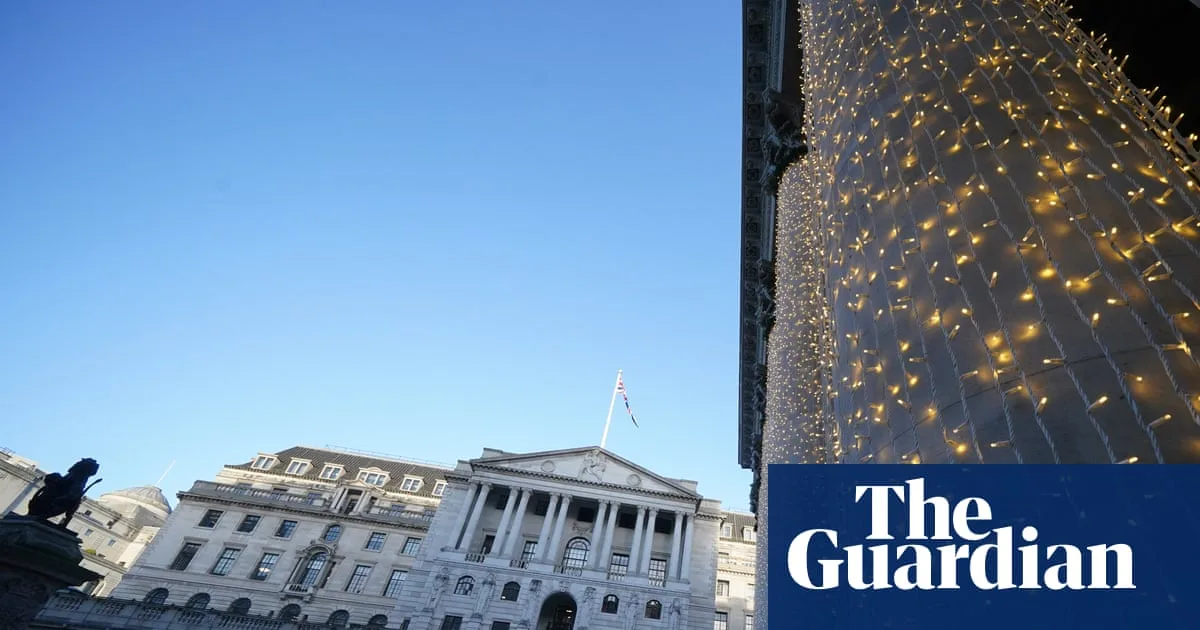
The Bank of England has announced plans to lower capital requirements for high street banks for the first time since the 2008 financial crisis, reducing the amount lenders must hold in reserve. Governor Andrew Bailey insisted the lessons of the crash have not been forgotten, describing the cut as a “sensible reflection of the health of the banking system”.
Under the changes, due to take effect in 2027, capital requirements related to risk-weighted assets will fall by one percentage point to around 13%. The Bank said the move is designed to make it easier for banks to lend to households and businesses, supporting economic growth.
However, the decision risks stoking concerns about weakening protections against UK bank failures, as the government continues to row back on post-crisis regulations. Chancellor Rachel Reeves has urged regulators to do more to stimulate growth, describing red tape as a “boot on the neck” of businesses.
Fresh stress tests showed the UK’s seven largest banks – Barclays, HSBC, Lloyds, Nationwide, NatWest, Santander UK and Standard Chartered – are strong enough to continue lending through a severe economic downturn. The Bank noted that banks have tended to hold more capital than required, meaning funds were not being used for loans.
Bailey said banks would benefit in the long term if they used the freed-up capital to lend, though there are no explicit rules on how the extra funding is deployed. The announcement comes despite warnings from the Bank’s Financial Policy Committee that risks to financial stability have increased during 2025, including from high AI company valuations and rising debt levels in the sector.




