

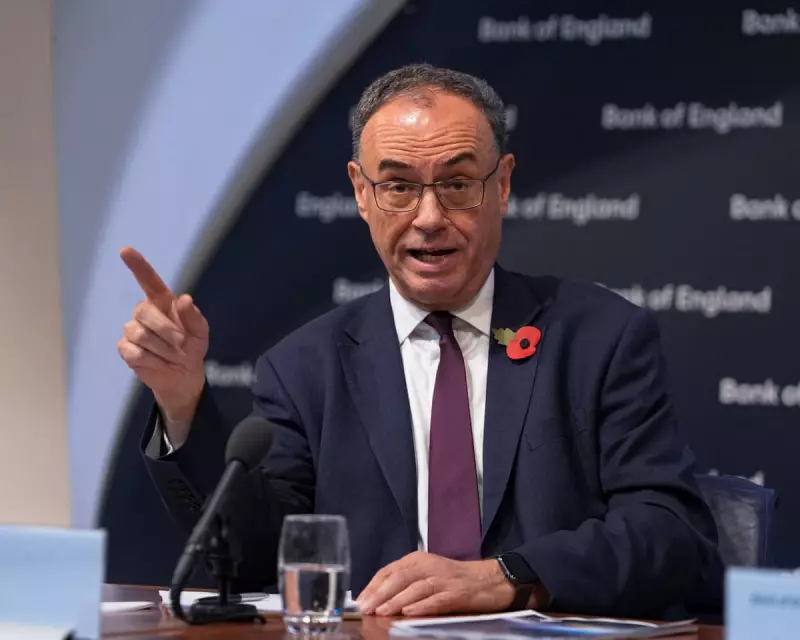
In a robust defence of international economic collaboration, the Governor of the Bank of England has issued a stark warning against the rising tide of populism, labelling it a major danger to future improvements in living standards.
A Call to Arms for Global Institutions
Andrew Bailey stated that he and fellow leaders of major international bodies have a duty to actively "challenge back" against populist narratives. His comments, delivered ahead of the World Economic Forum in Davos, are seen as a direct response to recent political interference in central bank independence, notably from former US President Donald Trump.
Bailey was one of ten central bank governors, including the European Central Bank's Christine Lagarde, to express "full solidarity" with US Federal Reserve Chair Jerome Powell this week. This show of unity came after Powell disclosed he had faced threats of legal action, underscoring the growing pressure on independent institutions.

The Three Pillars of Populist Threat
The Governor outlined three defining and damaging features of modern populism. Firstly, a preference for domestic production over international openness. Secondly, a tendency to blame "outside forces" for domestic economic problems. Thirdly, and critically, the fuelling of a decline in trust in both domestic and international institutions.
"For those of us who are institutionalised, the answer is that we have to challenge back, in deeds more than just words," Bailey asserted. He acknowledged, however, that institutions must also ensure their own houses are in order to maintain legitimacy and public trust.
The Clear Benefits of Cooperation vs. Isolation
Bailey emphasised the undeniable advantages of global cooperation, citing the well-established economic benefits of trade, specialisation, and larger markets. He stressed the necessity of having clear international rules and coordination to protect legitimate national interests.
Nevertheless, the head of the Financial Stability Board conceded that years of sluggish wage growth and economic stagnation have made the case for global openness harder to sell. "While it is true that openness supports growth and has reduced global poverty, it can have, and has had, distributional consequences in economies," he said, noting an erosion of social capital and domestic cohesion in some areas.
Despite these challenges, Bailey concluded that turning inwards with isolationist policies is not the solution. Overcoming the world's complex economic hurdles, he argued, requires renewed commitment to accountable and rules-based international cooperation, not a retreat from it.






