
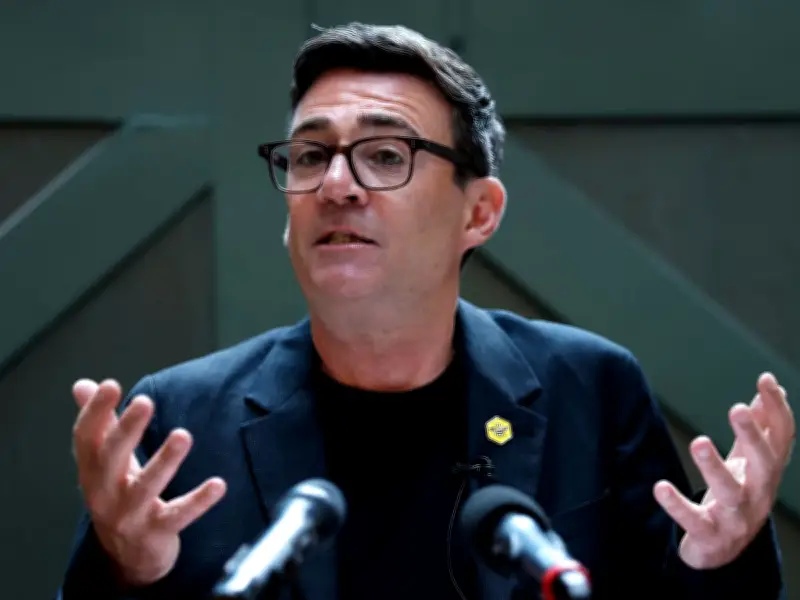
Andy Burnham, set to become prime minister on Monday, will scrap the national digital ID scheme, his team confirmed. The controversial programme, announced by outgoing PM Keir Starmer last year, faced heavy criticism. A spokesperson said the move is part of a 'reset of priorities' to ensure the government focuses on areas where people need help most urgently.
Funding Redirected to Tangible Improvements
The money earmarked for the scheme—estimated at £1.8 billion over three years by the Office for Budget Responsibility last November—will instead support cost-of-living measures. Although Downing Street disputed that figure, a parliamentary committee noted the government provided no alternative estimate, leaving potential for higher costs. Burnham's team stated: 'That means all the time and resource that was going to be spent on a national ID scheme will go instead to where it's most needed, such as helping with the cost of living.'
Background and Controversy
Keir Starmer originally proposed mandatory digital IDs for right-to-work checks as part of an illegal immigration crackdown at last year's Labour conference. Following backlash, the government later said the checks would be voluntary. The scheme drew widespread criticism: Tory leader Kemi Badenoch called it a 'rubbish policy,' and a Chronicle Live survey found North East residents labelled it 'ridiculous' and 'intrusive.'
Privacy Concerns and Broader Implications
Jack Coulson, head of advocacy at Big Brother Watch, welcomed the decision, saying: 'The Government backing down shows what campaigns like Big Brother Watch's can achieve. But the dangers of a 'papers please' society have not gone away.' He warned that the government's approach to social media restrictions could lead to a de facto mandatory ID regime for the internet, urging vigilance regarding former ID card minister Tony Blair's influence.
Burnham's First Major Break from Starmer
The scrapping marks Burnham's first significant policy divergence from Starmer before taking office. After visiting King Charles to formally assume the premiership, he is expected to detail further plans on Monday. Allies indicate he aims for a 'dynamic start,' with his first speech likely to address cost-of-living measures and his core theme of devolving power from Whitehall to UK regions.




