
Two in three small businesses have raised their prices three times or more in the last five years, and a quarter expect to put them up again before the end of summer, according to new research.
Survey Reveals Ongoing Cost Pressures
A survey of 500 business owners found that supplier costs and energy bills are the most common reasons for passing costs on to customers. Nearly half (49%) said staff wages were also a factor when deciding to increase prices.
Over the past 12 months, small business owners said their outgoings have risen by nearly 17% on average. Over the last five years, monthly energy costs have increased by an average of 23%.
Businesses Brace for Further Increases
Looking ahead, 82% said they are bracing themselves for further increases throughout the rest of 2026. The research, commissioned by Smart Energy GB, found 88% of business owners said raising prices is a “last resort.” However, 86% said they have made changes behind the scenes to avoid putting costs on customers wherever possible.
These measures include cutting back on non-essential spending (31%), absorbing costs by reducing profit margins (30%), and reducing their own salaries (28%). A quarter said they have worked to cut their energy use, while 23% said they have negotiated with suppliers to secure better deals.
Smart Meters as a Tool
Victoria Bacon, a director at Smart Energy GB, said: “We can see many small business owners are doing everything they can to manage rising running costs, while limiting the impact on their customers. When it comes to managing bills, a smart meter can help business owners track their energy use and identify where they might be able to save some money on their energy costs. It can be a helpful tool for small business owners having to manage cashflow and budgets, and it's quick and easy to get a smart meter installed.”
Customer Reactions and Concerns
It also emerged that while 34% said customers have generally been understanding when prices have risen, 81% remain worried about increasing them again. Of those concerned, 38% said customers are already struggling with the cost of living and may not be able to stretch their budgets further. A further 36% fear customers could start looking elsewhere for cheaper alternatives.
Consumer Spending Limits
A separate survey of 2,000 adults looked at how much people are willing to spend on everyday items before “drawing the line.” On average, drinkers said they would pay £5.45 for a pint of beer and £6.23 for a glass of wine. The typical limit was £3.99 for a takeaway coffee and £4.79 for a sandwich from a local café or bakery.
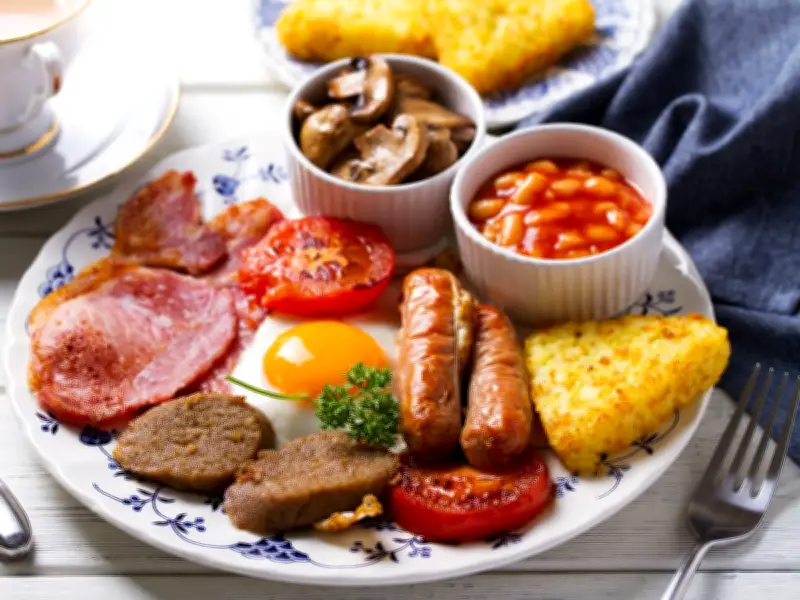
When it comes to meals, those polled said they are willing to spend around £11 on a full English breakfast or fish and chips, but would pay more than £15 for a Sunday roast.
More than half (54%) said they have cut back on discretionary spending in recent years. Eating out (55%), new clothes (51%), and takeaways (49%) were among the most common areas where people said they have reduced their spending.
Support for Local Businesses
Despite this, 84% said it is still important to support local independent businesses, the OnePoll survey found. Six in 10 (61%) said they want to do so because it supports the local economy, while 56% said they want to help protect jobs. Another 53% said they want to help prevent shops on their local high streets from closing.




