
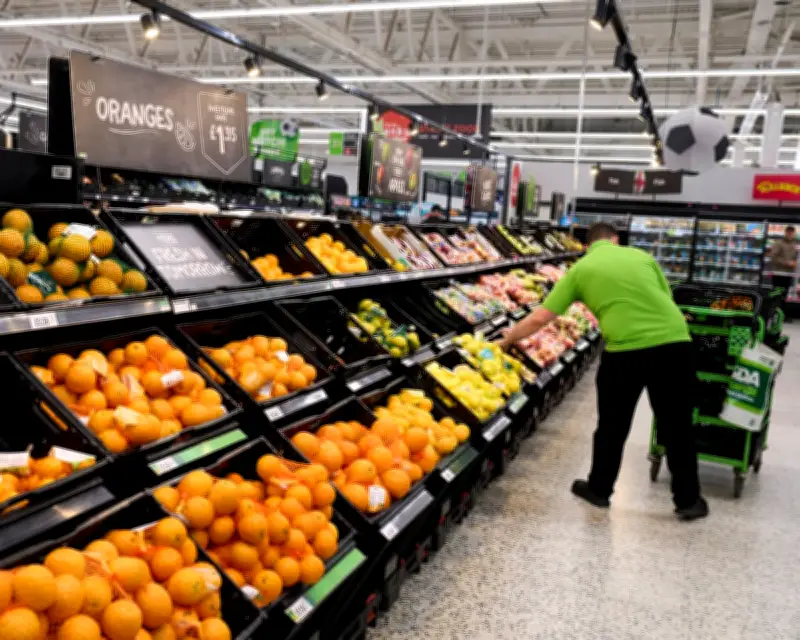
Brexit has added approximately £210 to the average UK household's annual supermarket bill and increased holiday travel costs by up to 30%, according to a new report from the London School of Economics (LSE). The study, published on Tuesday, highlights the ongoing financial impact of the UK's departure from the European Union on everyday expenses.
Supermarket Price Increases
The LSE report found that Brexit-related trade barriers and customs checks have raised the cost of imported food and goods. Supermarkets have passed on these additional costs to consumers, resulting in an average increase of £210 per household per year. The report estimates that overall, UK households are paying £1.3bn more annually for groceries due to Brexit.
According to the researchers, the price rises are particularly pronounced for fresh produce and perishable items that face delays at borders. "The friction at the border has led to higher costs for importers, which are ultimately borne by consumers," said Professor Thomas Sampson, one of the report's authors.
Holiday Travel Costs Surge
Holiday travel costs have also risen significantly since Brexit. The report notes that passport checks, visa requirements, and additional insurance costs have pushed up the price of trips to EU countries by up to 30%. This includes increased fees for pet travel, mobile roaming charges, and the need for international driving permits.
The LSE estimates that British holidaymakers are spending an extra £500m annually on travel to the EU. "The end of free movement has made travel more expensive and time-consuming," the report states. "Families now face additional paperwork and costs that did not exist before Brexit."
Broader Economic Impact
The report also examines the wider economic effects of Brexit, including reduced trade volumes and lower investment. It finds that UK trade with the EU is 15% lower than it would have been if the UK had remained in the bloc. The researchers attribute this to non-tariff barriers, such as customs declarations and regulatory checks.
"Brexit has imposed a significant tax on trade, and consumers are feeling the impact in their daily lives," said Professor Sampson. "The costs are likely to persist as long as the current trade arrangements remain in place."
Consumer Reactions
Consumer groups have expressed concern over the findings. "These figures show that Brexit is costing families real money," said a spokesperson for Which? "From food shopping to summer holidays, the additional expenses are adding up. The government must take steps to mitigate these costs."
The report has reignited debate over the benefits of Brexit. Pro-Brexit groups argue that the UK has gained independence to strike its own trade deals, but the LSE study suggests that the short-term costs are substantial.




