
Australia's bold deepfake laws set global precedent
As tech giants rule by algorithm, Australia emerges as a global pioneer with groundbreaking legislation to combat AI-generated deepfakes and protect democratic integrity.

As tech giants rule by algorithm, Australia emerges as a global pioneer with groundbreaking legislation to combat AI-generated deepfakes and protect democratic integrity.

As cryptocurrencies and central bank digital currencies transform global finance, regulators face unprecedented challenges in maintaining stability and protecting consumers in this new financial frontier.

A Tunisian appeals court has upheld a death sentence against a man for a Facebook post, raising serious concerns about digital rights and freedom of expression in the North African nation.

The controversial case of Tilly Norwood raises urgent questions about artistic identity, AI data harvesting, and the future of human creativity in the digital age.

Tech giant Apple faces backlash after pulling ICEblock app that enabled users to track immigration enforcement activity near Trump properties, raising questions about digital free speech.

Papua New Guinea considers imposing age restrictions on social media platforms, sparking fierce debate between child protection advocates and free speech campaigners.

After a devastating three-day nationwide internet blackout, Afghanistan's digital lifeline has been restored. The Taliban's surprise shutdown sparked international condemnation and crippled daily life across the country.

The Taliban regime is systematically dismantling Afghanistan's digital infrastructure, imposing nationwide internet restrictions that isolate citizens and cripple the economy in what experts call digital repression.

Authorities in Oujda detain social media users accused of organising anti-government demonstrations through popular platforms, raising digital rights concerns.

The Taliban's systematic internet shutdown represents a calculated strategy to crush dissent and consolidate power, creating an information vacuum that isolates millions of Afghans from the world.

In a landmark case that could redefine digital rights, the US Supreme Court hears arguments about whether government officials can block critics on social media platforms, sparked by a California healthcare activist's battle with Trump-era officials.

Hollywood star Emily Blunt joins SAG-AFTRA in condemning AI technology that digitally replicated child actor Tilly Norwood without consent, sparking industry-wide outrage.

Afghanistan faces complete communications collapse as Taliban authorities order nationwide shutdown of mobile networks and internet services, severing millions from vital connections.

The Taliban regime has severed Afghanistan's internet connectivity, isolating 40 million people from the world in what experts call one of the most severe digital crackdowns in modern history.
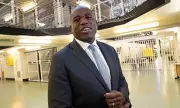
Shadow Foreign Secretary David Lammy is under fire for allegedly ignoring women's rights groups by appointing a LGBTQ charity to the UK's delegation for a key UN human rights meeting, sparking accusations of a 'hierarchy of rights'.

A groundbreaking 'Digital ID' super-app is in development, promising to let you prove your age for age-restricted goods with just your smartphone, potentially ending the need to carry physical documents.

Exclusive report reveals the devastating impact of the Taliban's systematic internet shutdowns on women's education and access to information, pushing Afghanistan towards a new era of isolation.

An in-depth examination of the UK's escalating border control measures. This piece argues that the government's new digital surveillance plans threaten to dismantle ancient British liberties under the guise of protecting national security.

Discover the top digital photo frames for every budget. Our expert review compares Aura, Nixplay, and Skylight frames to help you showcase your memories in stunning clarity.

The Taliban has enforced a complete internet shutdown in Afghanistan's Balkh and Kunduz provinces, severing critical communications and raising fears of a wider crackdown on digital freedoms.

The UK's inaugural Chief Technology Officer, Mark Russinovich, delivers a damning verdict on Whitehall's archaic IT infrastructure, calling for an urgent technological revolution to drag public services into the 21st century.

Exclusive analysis reveals how Labour's proposed tax reforms targeting tech giants could spark a catastrophic investment exodus, jeopardising Britain's position as a global digital leader.

Shocking new research reveals Instagram's covert data collection practices, tracking user activity even when the app is closed. Discover the privacy implications for millions of UK users.

Florida Governor Ron DeSantis has enacted a sweeping new law that critics decry as a state-sanctioned effort to 'erase' LGBTQ+ individuals by dismantling key protections and censoring public discourse on sexual orientation and gender identity.

Australia's Human Rights Commissioner condemns the Queensland government's 'punitive and hostile' approach to First Nations people, warning of devastating human rights violations.

Sweden is leading a financial revolution, with plans to eliminate physical currency entirely within the next decade. Discover how this bold move is transforming everyday life and what it means for the future of money.

Nepal's government has enforced a stringent ban on major social media platforms, including Facebook and TikTok, following violent protests that resulted in multiple fatalities. The move raises urgent questions about digital rights and state control in the

Nepal's government faces international condemnation after imposing a sweeping ban on VPNs and streaming platforms like YouTube, raising serious concerns about digital rights and freedom of expression ahead of crucial elections.

Facing massive youth-led demonstrations, the Nepali government has been forced into a humiliating U-turn, reinstating social media access after a controversial blackout.

The government's plan to replace the Human Rights Act with a new Bill of Rights has been halted after the House of Lords refused to back it. Peers have sent the legislation back to the Commons, demanding significant changes.