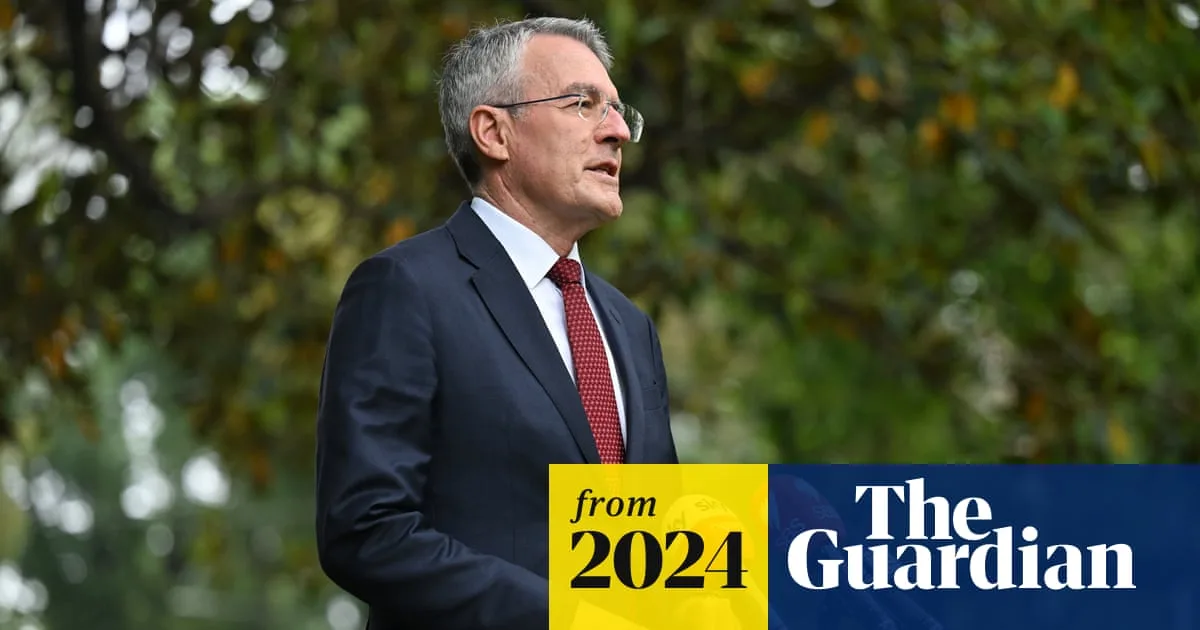
Australia is set to introduce groundbreaking legislation that will make sharing non-consensual deepfake pornographic images a criminal offence, punishable by up to six years in prison. Attorney General Mark Dreyfus will present the bill to federal parliament on Wednesday, targeting the use of generative AI to create and distribute sexually explicit material without consent.
The proposed law creates a new offence for sharing such images via email, personal messages, or on public platforms. An aggravated offence, carrying a seven-year sentence, will apply to those who both create and share the content. The legislation aims to close a legal gap, as current laws do not prohibit the creation of deepfake pornographic images.
Dreyfus emphasised the government's commitment to combating this form of abuse, which disproportionately affects women and girls. 'Digitally created and altered sexually explicit material that is shared without consent is a damaging and deeply distressing form of abuse,' he said. The reforms are part of broader efforts to address violence against women and the role of technology in spreading harmful content.
The new offences will only apply to images of adults; existing laws cover sexually explicit material involving children. The government is also reviewing the Online Safety Act and considering measures to tackle doxing. Australian Federal Police Commissioner Reece Kershaw has warned of a 'tsunami of AI-generated abuse material' and stressed the need for laws to keep pace with technological change.