
Emma Heming Willis on Bruce's dementia journey
Bruce Willis's wife Emma shares emotional insights into the Die Hard star's frontotemporal dementia battle and the family's coping strategies.

Bruce Willis's wife Emma shares emotional insights into the Die Hard star's frontotemporal dementia battle and the family's coping strategies.

A leading medical expert has identified a crucial early warning sign of dementia that frequently goes unnoticed. Discover what to look for and when to seek medical advice.

Groundbreaking research from Scotland reveals how simple eye movement tests could transform Alzheimer's diagnosis, offering hope for earlier detection and treatment.

University of Strathclyde researchers develop groundbreaking infrared laser technique that could detect Alzheimer's disease years before symptoms appear, offering new hope for early intervention.

University of Strathclyde researchers discover revolutionary laser technology that could detect Alzheimer's disease years before symptoms appear, offering new hope for early intervention.

Emma Heming Willis shares emotional insights into husband Bruce Willis's frontotemporal dementia battle and family's coping strategies in exclusive interview.

A groundbreaking blood test for Alzheimer's disease receives full FDA approval, offering hope for earlier detection and easier diagnosis in UK healthcare settings.
Bruce Willis's wife Emma Heming Willis shares emotional insights into caring for the Hollywood icon amid his frontotemporal dementia diagnosis, highlighting family unity and daily challenges.
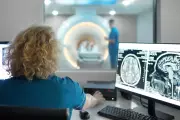
Groundbreaking research reveals how advanced MRI technology can identify dementia signs years before symptoms appear, offering new hope for early intervention.

Bruce Willis's daughter Tallulah opens up about her father's frontotemporal dementia progression in an emotional new interview, revealing family's coping strategies.

New research reveals a disturbing sleep pattern that could signal dementia years before memory loss begins. Experts explain what to watch for and when to seek medical advice.

Groundbreaking research reveals a previously unknown gene variant that dramatically increases Alzheimer's risk, offering new hope for early detection and treatment strategies.

Groundbreaking research from University of Birmingham suggests frequent bad dreams in middle age could indicate higher dementia risk decades before symptoms appear.
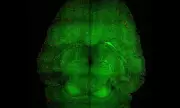
British scientists achieve unprecedented milestone in dementia research, successfully reversing Alzheimer's symptoms in laboratory mice using revolutionary genetic approach.

New research reveals crucial early indicators of dementia that often go unnoticed for years. Discover the subtle changes in memory, behaviour and cognitive function that could signal future brain health issues.

Groundbreaking Cambridge research reveals how the brain's 'recycling system' fails in Alzheimer's, opening doors to revolutionary new treatments that could slow or prevent the devastating disease.

Groundbreaking UK research suggests simple smell tests could identify neurodegenerative diseases like Alzheimer's and Parkinson's up to a decade before traditional symptoms appear, revolutionising early diagnosis.

Bruce Willis's wife Emma opens up about the 'huge burden' of frontotemporal dementia caregiving, sharing emotional insights into their family's daily struggles and the lack of public awareness about the devastating condition.

Groundbreaking research reveals a widely-used blood pressure medication could dramatically improve communication abilities in Alzheimer's patients and autistic teenagers, offering new hope for families.

Groundbreaking research from the UK suggests a simple urine test could identify early vascular dementia symptoms, potentially revolutionising dementia care and prevention strategies.

Groundbreaking research is revolutionising dementia care with new treatments that tackle underlying disease processes rather than just managing symptoms. Discover the promising developments bringing hope to millions.

Cambridge researchers identify how brain inflammation drives dementia progression and reveal promising drug candidates that could slow or prevent cognitive decline.

Groundbreaking research reveals promising new approaches that could slow or even prevent Alzheimer's disease, marking a significant shift in the fight against dementia.

A stark postcode lottery means dementia patients across the UK could be denied access to revolutionary new treatments, as the NHS struggles to prepare for their rollout. Experts warn of a 'lost generation' without urgent action.

Groundbreaking research from Oxford and Exeter universities identifies key daily activities—from reading to household chores—that can significantly reduce the risk of developing dementia, offering a proactive approach to brain health.

Groundbreaking Oxford research reveals a strong link between long-term use of a specific, widely-used painkiller and a dramatically increased risk of developing dementia.

Groundbreaking UK research suggests that drinking a specific type of fruit tea could significantly reduce your risk of developing dementia. Discover how this simple daily habit might protect your brain health.

Leading dementia experts identify a common, yet devastating, early trait in new patients that often goes unnoticed by families. Discover the subtle red flag.

A groundbreaking finger-prick blood test, developed by UK scientists, can detect Alzheimer's signs up to 15 years before symptoms emerge. This breakthrough could transform early diagnosis and treatment.

Leading dementia experts issue a stark warning as the clocks go back, explaining how reduced daylight in autumn and winter can significantly worsen agitation and confusion for those with dementia. Learn the signs and crucial coping strategies.