Spain is intensifying efforts to diversify its tourism appeal beyond the traditional "sun and sand and coast" model as it braces for another record-breaking year, with foreign visitor numbers potentially reaching 100 million for the first time, according to the country's tourism minister.
Minister Rejects Overtourism Concerns
Speaking to the Guardian, Jordi Hereu, minister of industry and tourism, dismissed suggestions that Spain is saturated with tourists but acknowledged that "old formulas no longer work," particularly amid growing concerns about overtourism and the climate emergency. Hereu emphasized that steady growth in tourist numbers, which could be further boosted by uncertainty over Middle Eastern destinations due to the US and Israel's war on Iran, can be managed sustainably and responsibly.
Last year, foreign tourist numbers rose by 3.2% to 96.8 million, while spending grew by 6.8% to €134 billion (£116 billion). First-quarter figures this year show tourist numbers up by 3.4% and revenue up by 6.7%. "With that growth, we could reach 100 million," Hereu said. "But that doesn't worry us or obsess us. We favour what I call calm growth—growth that can be easily managed."
Overtourism Protests and Regulation
Tourism has long been a pillar of the Spanish economy, contributing over 12% of GDP. However, rapid and unchecked growth has triggered protests and backlash, with overtourism—especially tourist flats—changing neighborhoods, pricing out locals, and straining public services and natural resources. Asked if current tourism rates are sustainable, Hereu replied: "Yes, if we do our homework, and no if we don't do anything."
The minister, a former mayor of Barcelona, praised his successor Jaume Collboni for banning tourist flats in the Catalan capital by 2028. However, he noted that Spain's decentralized nature makes it hard for the central government to drive local change. "I think there are places in Spain that are now seeing the effects of not regulating anything," he said, contrasting leftwing and rightwing approaches: "The left is more in favour of regulating tourism than the right, because the right holds the view that we should allow freedom because the market will self-regulate, which isn't true."
Shifting to a New Model
Hereu believes anti-tourism sentiment is "very much a minority thing" in Spain, but a new approach is needed. Local and regional authorities must properly limit, regulate, and tax tourist offerings. "What I do believe is that in some places there's a demand for better tourism in the sense of a better model," he said. "Our key principle is that we're in favour of transforming the model to keep ahead because the old formulas no longer work."
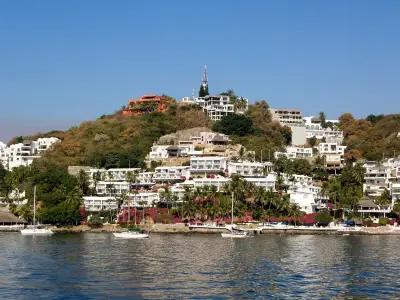
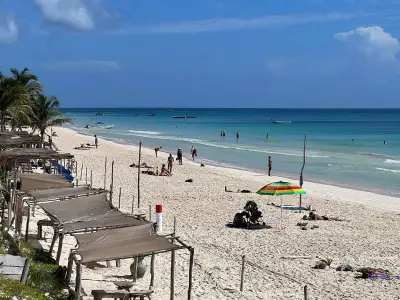
While defending traditional beach tourism, which still accounts for 37% of visits, Hereu noted that people now seek experiences beyond sun loungers. "People who come basically for sun and beach also start asking for add-ons—like 'beach plus'," he said. "This is a good trend because what we need is to add value."
EU Funds and Regional Development
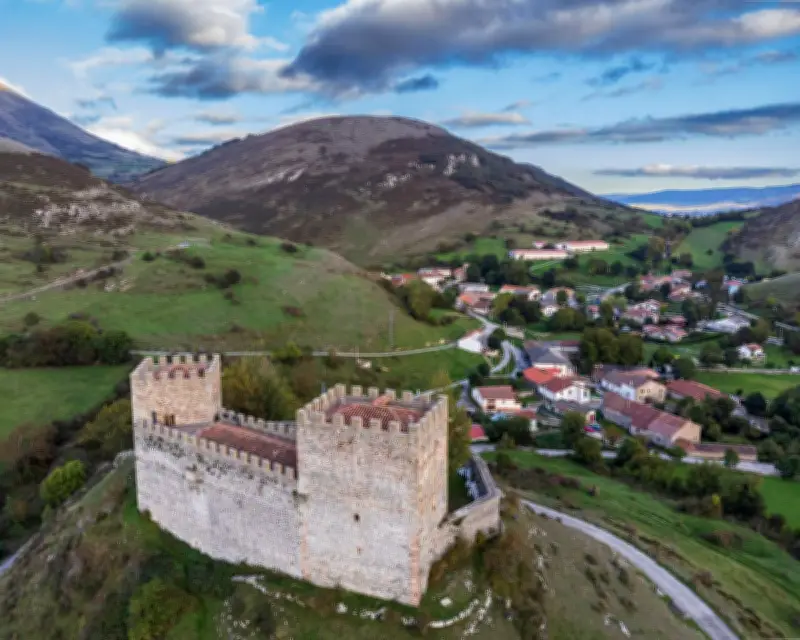
Spain's socialist-led coalition government is committed to the principles of its 2030 tourism strategy: decentralizing destinations, deseasonalization, and diversifying offerings away from the "sun and sand and coast" model. The country's current advertising campaign, "Think You Know Spain? Think Again," focuses on churches, paradores, orange groves, folk festivals, food, wine, lakes, green spaces, handicrafts, and brown bears, even featuring rain. "You don't see any coastal beaches; instead, it's inland Spain and the green Spain of the north," Hereu said.
Spain's reliance on tourism was exposed during the Covid pandemic, when international visitor numbers dropped by 77% to 18.9 million in 2020. The government invested €3.4 billion of EU next generation funds to modernize and transform the sector. That investment has allowed less visited areas—such as Castilla-La Mancha, Castilla y León, Extremadura, Galicia, Asturias, Cantabria, the Basque Country, and Navarre—to develop their tourist markets. "There's a lot of potential there, and that's where we need growth to happen," Hereu said. "On the Mediterranean coast, especially in the high season, there are limits."
Addressing Depopulation and Climate
Diversifying and decentralizing tourism can help tackle depopulation by ensuring young people don't have to leave their home towns for work. Lengthening the season also provides more stable employment. "Before it was June, July, August and at most September," Hereu said. "But now people open in April, May or June, and we have more stability. October is also very important now. This gives us more job stability, and salaries also have to increase to attract and retain people."
The government is also helping the industry adapt to the climate emergency, evident in droughts, heatwaves, forest fires, floods, and rising sea levels. Renewable energy, efficient water use, and good waste management can mitigate consequences. "Sticking to the old model would be a mistake," Hereu added. "We'd be growing the number of tourists rather than the spending value. Now we are growing more in value than in number."