The Foreign, Commonwealth and Development Office (FCDO) has issued an updated alert on July 17 for British tourists travelling to Portugal with medication. The new guidance emphasises that UK prescriptions are not valid in Portugal and that strict regulations apply to certain medicines, including antibiotics.
Key Changes in Medication Advice
The FCDO states: "The legal status and regulation of some medicines prescribed or bought in the UK can be different in other countries." Travellers are advised to carry enough medication for their entire visit, keep it in original containers with prescription labels, and not rely on UK prescriptions being accepted in Portugal.
For those needing repeat prescriptions while in Portugal, the FCDO recommends visiting the nearest health centre or hospital A&E. Patients may have to pay for their medication. Most medicines are obtained through pharmacies, though some non-prescription items are available at health stores in supermarkets and shopping centres. A pharmacy locator is available on the Pharmacy Association website.
General Advice for Travelling with Medication
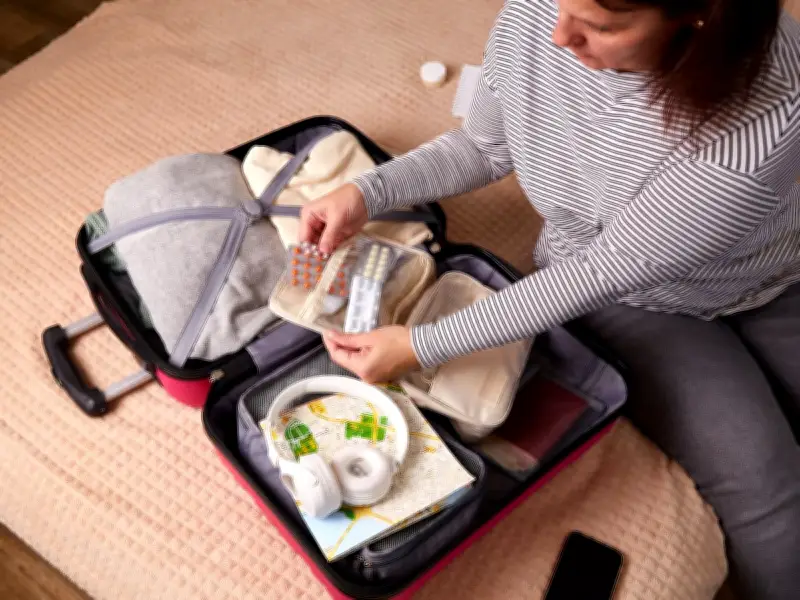
The FCDO advises checking the specific country page for the destination, as many include a 'Health' section with medication notes. Some countries have strict rules on certain medicines, including over-the-counter ones. General best practices include carrying medication in original pharmacy packaging with a copy of the prescription and a letter from the prescriber, keeping it primarily in hand luggage with some in hold luggage as backup, and taking enough for the entire trip plus extra for delays.
Changes to routine when travelling, such as later nights, heat, and diet changes, can impact medication. The Summer Proof Your Health campaign provides additional information.
Rules for Controlled Drugs
For quantities of three months' supply or more of controlled drugs (e.g., certain painkillers), a UK export licence may be required. Applications should be made at least 10 days in advance. Travellers must carry a doctor's letter detailing their name, the medication (generic name, dose, quantity), travel dates, and reason for travel. Always check rules for the destination country via its embassy or high commission in the UK.
The FCDO recommends staying updated via its country page, the NaTHNaC Medicines factsheet, and Gov.uk guidance on taking medicine in or out of the UK. Travellers can also contact the destination country's embassy for specific import rules.