Two men have died as a result of Storm Boelo, with both fatalities caused by falling trees as the storm continues to bring dangerous conditions across the UK.
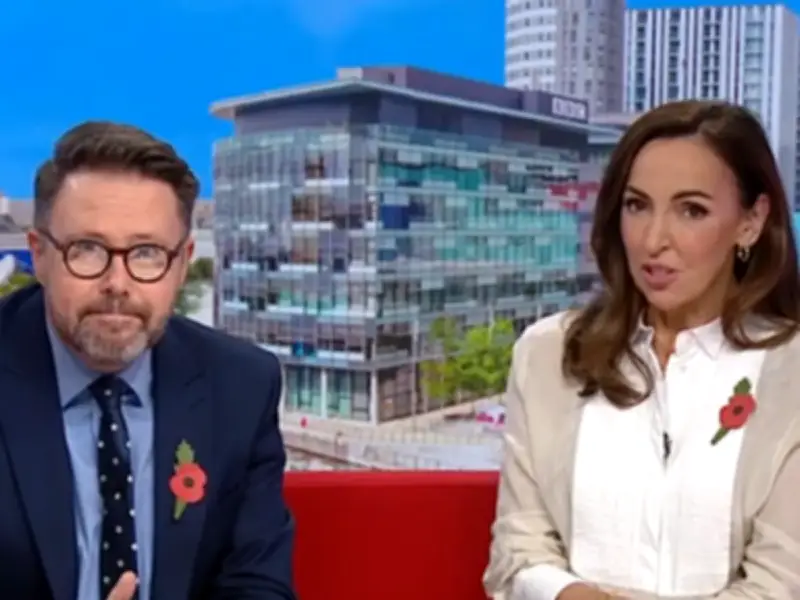
The announcement came during Monday's edition of BBC Breakfast, where presenter Jon Kay, alongside Sally Nugent, reported the deaths. A man in his 20s was pronounced dead in North London after the car he was driving was hit by a falling tree, while a 60-year-old man died in Dumfries and Galloway hours earlier.
Fatalities and Emergency Response
Chief Inspector Guy Ellwood, from the North West Command Unit, said: "This is a deeply tragic incident and our thoughts are with the loved ones of the young man who lost his life."
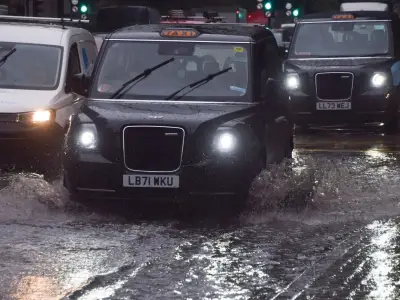
Jon Kay also disclosed that Storm Boelo has plunged 90,000 households into darkness. Thomas Magill described how the storm was "sweeping people off their feet" in Blackpool, adding that emergency services worked tirelessly as it battled the North West, toppling trees and flooding parts of Cumbria.
Community Support and Widespread Disruption
A pub in Bouth, a Lake District village, has transformed into a community centre, providing meals and refuge to vulnerable residents cut off from electricity. These locals found themselves without power and hot water, prompting them to seek assistance at the pub.
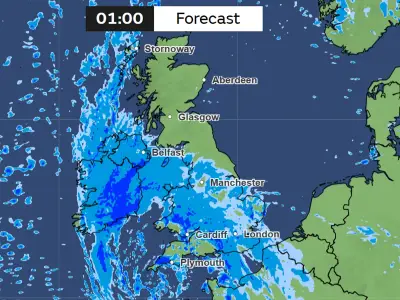
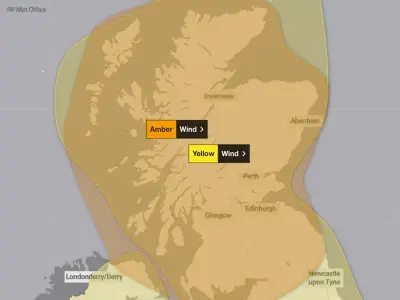
As the storm moved in across the Irish Sea, coastal areas off the Isle of Man were battled by high tides and strong winds, with Scotland experiencing a similar situation. Footage captured the high street in Largs entirely submerged, with properties and shops left devastated.
Travel Chaos and Recovery Efforts
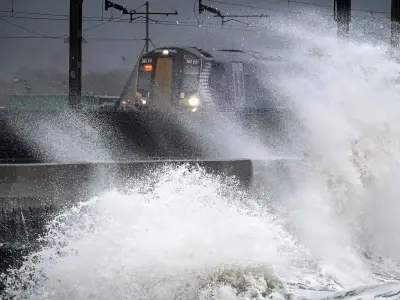
"Everything is absolutely swimming in sea water, sludge, leaves, debris, just mashed up confectionery. It's awful," a local said. Travel has been severely disrupted across the region, with ScotRail urging passengers to check before setting off on their journeys.
Storm Boelo was also felt as far south as Kent, where emergency services worked continuously to clear blocked roads and secure areas. Thousands of homes still remain without power.
Lawrence Slade, chief executive of the Emergency Networks Association, said: "The difficult thing is, we can't actually get people out there to replace poles and wires until the worst effects of the storm have gone through." He added that teams will be working as hard as they possibly can to get people back on power as soon as they can in the safest possible way.
The worst of the storm may be over, but it remains unclear when power will return to the thousands of homes affected and how long the clean-up will take.