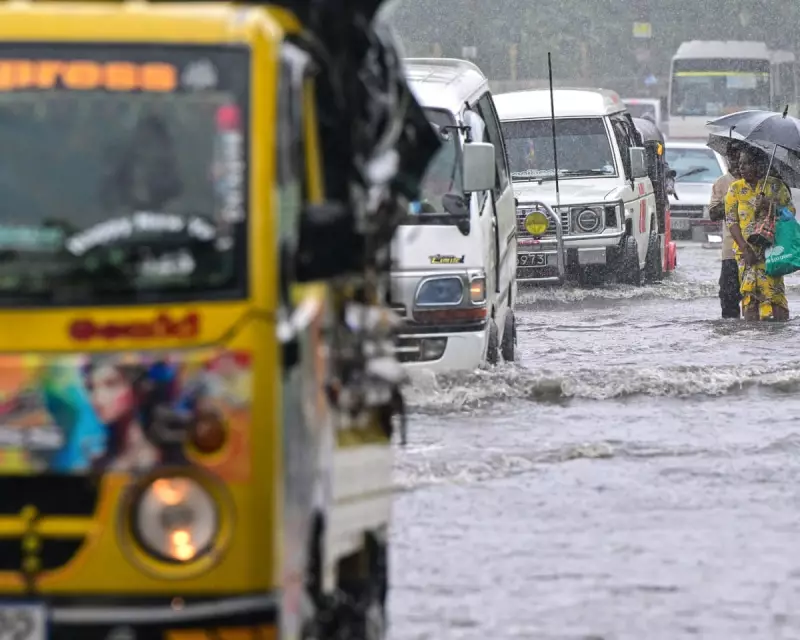
Residents across eastern Sri Lanka are still grappling with the aftermath of a devastating cyclone that tore through the region, leaving a trail of destruction and trauma in its wake. The powerful storm, named Cyclone Ditwah, made landfall on December 2, 2024, bringing catastrophic winds and flooding.
‘The Roof Flew Off’: First-Hand Accounts of Terror
For those who lived through it, the memory is one of sheer terror. K. Maheswaran, a fisherman from the coastal town of Kalkudah, described the moment the cyclone hit. "We were all very scared," he said, recalling how the furious winds dismantled his community. "The roof flew off. We had to hold onto the walls to stop ourselves from being blown away."
His story is echoed by countless others. In the Ampara district, families huddled together as the storm surge and relentless rain inundated their homes. The cyclone's fury uprooted trees, smashed buildings, and severed vital communication lines, isolating entire villages in the critical hours after impact.

A Nation Counting the Cost
The immediate aftermath revealed the scale of the disaster. While official casualty figures were still being verified in the days following the storm, initial reports indicated significant loss of life and widespread injury. The physical damage was extensive, with thousands of homes destroyed or severely damaged.
Critical infrastructure bore the brunt of Ditwah's force. Roads were washed away, power poles were snapped, and agricultural land was submerged under saltwater, threatening the livelihoods of farming communities. The storm's impact has posed a severe challenge to local authorities and national disaster response teams, who have been working against the clock to provide emergency aid.
The Long Road to Recovery
In the wake of the cyclone, the focus has shifted from immediate survival to the arduous process of rebuilding. Displaced families have sought shelter in temporary relief centres, relying on donations of food, water, and medical supplies. The psychological scars, however, may take far longer to heal.
The event has also reignited urgent conversations about climate resilience and disaster preparedness in Sri Lanka, an island nation increasingly vulnerable to intense weather events. Experts link the severity of storms like Ditwah to warming ocean temperatures, highlighting a global pattern of more frequent and powerful cyclones.
For now, communities in the eastern provinces are piecing their lives back together, their stories of fear and loss a stark testament to the raw power of nature and the enduring strength of the human spirit in the face of catastrophe.