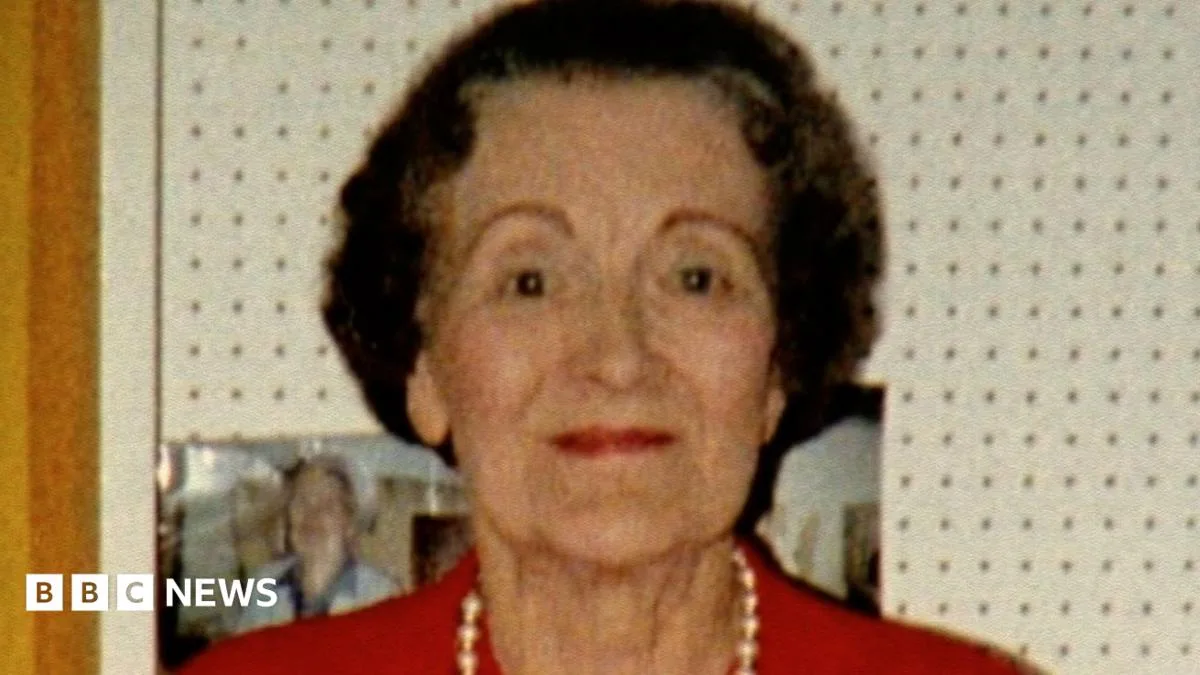
The murder of 87-year-old Gladys Godfrey in Mansfield in 2002 was solved using familial DNA searching for the first time, a technique that has since been used worldwide to crack hundreds of cases. The killer, Jason Ward, was identified after police used a pioneering method that matched crime scene DNA to close relatives on the National DNA Database.
Mrs Godfrey was attacked in her home by Ward, who had previously assaulted her in 2001. Despite a massive police operation involving DNA swabs from 1,100 men, no match was found because Ward had never been arrested. The breakthrough came when the Forensic Intelligence Bureau in Birmingham developed familial DNA searching, which looks for near-matches that may indicate a relative of the suspect.
The technique was first used in a manslaughter case in 2003, but the Godfrey murder was the first time it led to a murder conviction. Ward was sentenced to life imprisonment in 2004. The case remains a landmark in forensic science, and experts believe the same approach could still solve other cold cases, including the unsolved murder of Adam, a young boy found dead in the River Thames in 2001.