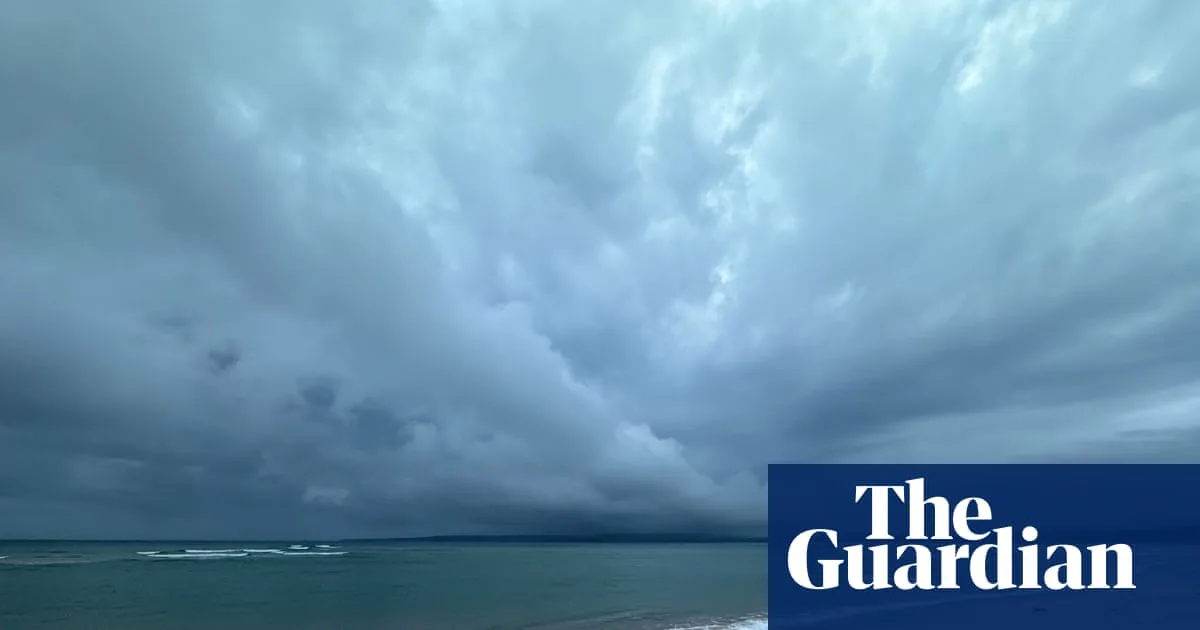
Parts of the New South Wales south coast have received more than 100mm of rainfall, with further heavy falls and storms forecast over the weekend. The highest overnight falls on Friday were recorded at Moruya (146mm) and Bodalla (136mm), as the weather system moves northward.
Bureau of Meteorology senior meteorologist Dean Narramore said the Illawarra, Sydney, Central Coast and Hunter regions could expect showers and thunderstorms that could bring 30-50mm of rainfall, with isolated falls of 80-100mm. Heavy storms hit the north Parramatta area on Saturday morning, dumping 35mm in half an hour.
The NSW State Emergency Service reported 880 requests for assistance, with about 750 volunteers responding. Flash flooding occurred in Mona Vale and Palm Beach on Saturday afternoon. Acting assistant commissioner Sonya Oyston urged people to monitor warnings, noting that catchments were becoming wet and flash flooding risks remained high.
Flood rescues were conducted in Albion Park, Picton and Marulan for people trapped in vehicles. The wet weather follows severe storms in Victoria that dumped 180mm in six hours on Lorne and Wye River, causing flash flooding along the Great Ocean Road.
Hazardous surf warnings are in place from Newcastle to Batemans Bay and the Eden coast. Several beaches on the Central Coast, including North Avoca, Terrigal and Copacabana, have been closed. Coramba, north-west of Coffs Harbour, received 5-7cm hailstones on Friday.
Narramore said north-east NSW and south-east Queensland could see further severe storms with large hail, damaging winds and heavy rainfall. Conditions are expected to ease on Monday, with westerly winds and hot weather returning later next week.