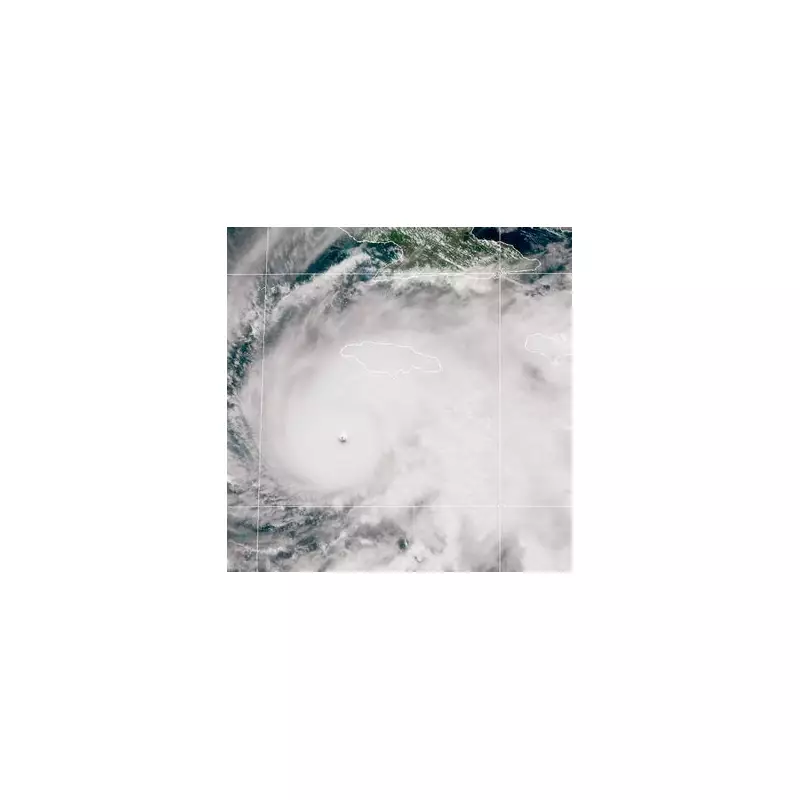
Jamaica is reeling from the devastating impact of Hurricane Melissa, which tore across the Caribbean island as a monstrous Category 4 storm, leaving destruction in its wake and communities struggling to cope with the aftermath.
Ferocious Winds and Torrential Rain
The powerful hurricane made landfall with sustained winds reaching a terrifying 150 miles per hour, uprooting trees, tearing roofs from buildings, and transforming streets into raging rivers. Emergency services reported widespread flooding that submerged entire neighbourhoods, forcing dramatic rooftop rescues as water levels rose dangerously.
Mounting Casualties and Infrastructure Collapse
Tragically, the storm has claimed multiple lives, though official numbers remain unconfirmed as rescue teams work tirelessly to reach isolated communities. Critical infrastructure including power lines, communication networks, and road systems have suffered catastrophic damage, plunging much of the island into darkness and isolation.

Emergency Response Mobilised
Prime Minister Andrew Holness has declared a state of emergency, stating: "We are facing an unprecedented weather event that has tested our nation's resilience. Our priority is saving lives and providing immediate assistance to those affected."
International aid organisations are coordinating relief efforts, while the Jamaican Defence Force has been deployed to assist with search and rescue operations in the hardest-hit areas.
Tourism Industry Paralyzed
The hurricane has dealt a severe blow to Jamaica's vital tourism sector, with popular resort areas including Montego Bay and Negril suffering significant damage. Hotels have been evacuated, and airports remain closed indefinitely, stranding thousands of visitors and dealing an economic blow that will likely take years to recover from.
Regional Impact and Future Threats
While Jamaica bore the brunt of Melissa's fury, neighbouring Caribbean nations are on high alert as the storm continues its path across the region. Meteorologists warn that climate change is contributing to more frequent and intense hurricane activity, raising concerns about long-term preparedness for future extreme weather events.