Winter Solstice 2025: Shortest Day Arrives Sunday with 3:03pm Sunset
Winter Solstice 2025: Shortest Day on 21 December

The darkest day of the year is almost upon us, heralding the official commencement of winter. The winter solstice for 2025 is set to occur on Sunday 21 December at 3:03 pm, a celestial moment that marks the shortest day and longest night of the year across the Northern Hemisphere.

When and Why the Shortest Day Happens

This Sunday, the sun will set as early as 3:03pm in parts of the UK. In London, residents will experience a mere 7 hours, 49 minutes, and 42 seconds of daylight. This is a staggering 8 hours and 49 minutes shorter than the longest day experienced during the June solstice.

The phenomenon occurs because the Earth orbits the sun at a 23.4-degree angle on its axis. The solstice is the precise instant when the sun reaches its lowest daily maximum elevation in the sky. For the entire globe, it arrives on the same day, but with opposite effects: while the UK braces for winter, the Southern Hemisphere celebrates its summer solstice and the year's longest day.

The Royal Museums of Greenwich explains that this annual variation is a direct result of the Earth's axial tilt towards or away from the sun. The good news following the solstice is that days will gradually lengthen with more daylight each day until the peak of summer.

A Celebration Steeped in Ancient History

The winter solstice has held profound significance for countless cultures throughout history, often viewed as a time of rebirth amid the deepest dark. Ancient civilisations from Egypt to Rome used it as a crucial marker for the changing seasons.

In Northern Europe, Germanic peoples celebrated the event as Yule, a tradition rooted in Norse culture which honoured the sun's rebirth over twelve days. Anglo-Saxon pagans also observed these rites.

In ancient Britain, Druid priests marked the date with specific rituals. According to the Roman scholar Pliny the Elder, this included gathering mistletoe and sacrificing bulls—a practice that may have served the practical purpose of reducing livestock numbers during scarce winter months.

Solstices, Equinoxes, and Defining the Seasons

It is important to distinguish the solstice from the equinox. During an equinox, derived from Latin words meaning 'equal night', the Earth's tilt and orbit align so both hemispheres receive nearly equal sunlight, resulting in day and night being of almost identical length.

The autumnal equinox in the Northern Hemisphere falls between 21 and 24 September, while the vernal (spring) equinox occurs between 19 and 21 March.

Furthermore, the method of defining seasons differs. Astronomical seasons, like winter starting at the solstice, are based on Earth's position around the sun. In contrast, meteorological seasons are defined by weather patterns and annual temperature cycles, with winter officially starting on 1 December.

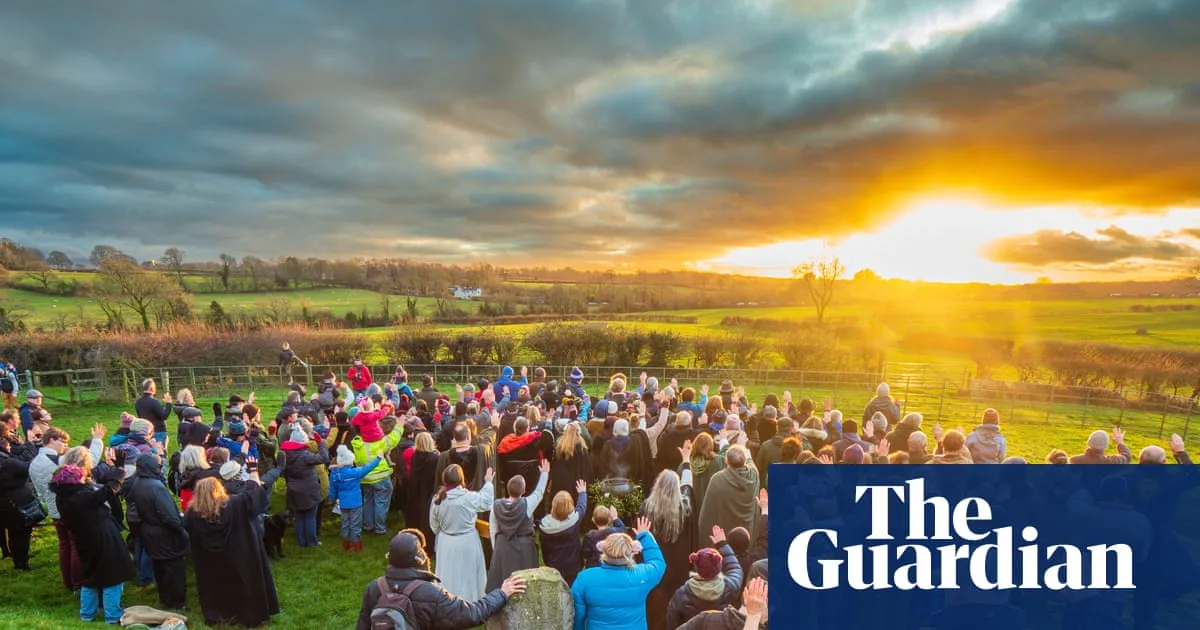
Today, the solstice continues to be celebrated, with gatherings at sacred sites like Stonehenge and Glastonbury Tor, where people witness the sunrise on the year's turning point, connecting modern observers to millennia of human tradition.