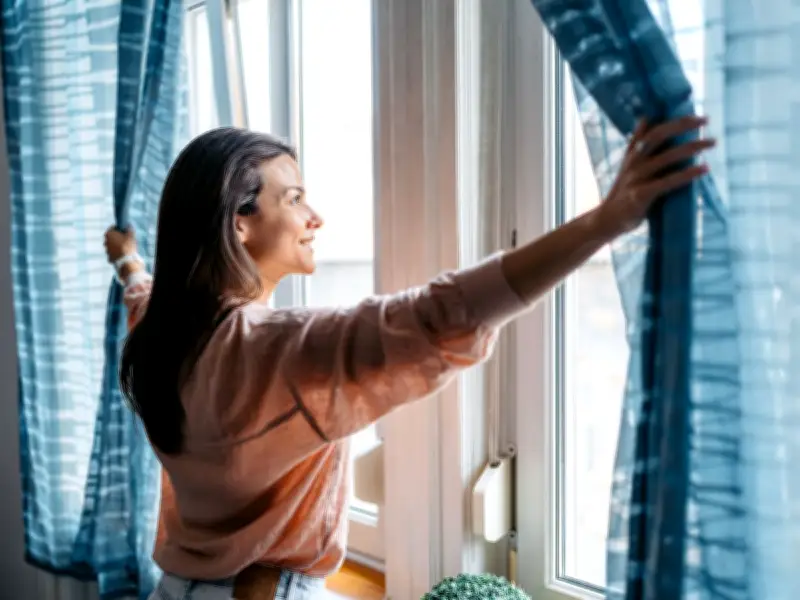
The 'night flushing' method is a simple yet effective technique to cool down bedrooms during a heatwave, helping people achieve better sleep. Georgina Bisby, a content creator, journalist, and founder of Your Home Explained, shared the recommendation on her YouTube channel, Georgina Bisby DIY.
How Night Flushing Works
In a video dedicated to cooling hacks, Georgina explained that night flushing uses cooler nighttime temperatures to expel heat stored in the home. She stated: 'If you feel like your home gets hotter every day during a heatwave, you're not actually imagining it. Our homes store heat like a battery. So, in hot weather, your walls, carpets, and furniture absorb heat during the day, then slowly release it all night. Which is why homes can still feel unbearable even at midnight.'
Georgina emphasized that many people wait too long to start cooling their homes. Instead, homeowners should act proactively. 'Ideally, when a hot spell is forecast, from the first warm day, block sunlight early, ventilate at night, and stop your home from storing heat before it snowballs. Modern buildings actually have a name for this. It's called night flushing. And it sounds technical, but it's pretty simple. It's just about keeping heat out during the day and then dumping it out overnight.'
Practical Steps for Night Flushing
To implement night flushing, Georgina advised checking the temperature before opening windows. 'It's worth having a thermometer indoors and perhaps checking hourly temperatures on your weather app because houses can still hold loads of heat long after sunset. So, even if it still feels warm outside, you might find that it is actually cooler than inside.'
Once the outside air is cooler, she recommended opening windows to create airflow throughout the house. 'Ventilate hardest overnight and before sunrise because the coolest temperatures are often just before sunrise.'
NHS Advice on Coping with Heat
The NHS website also offers guidance on staying cool in hot weather. The NHS said: 'Keep your living space cool. Close windows, curtains and blinds during the day and open them at night when the temperature outside has gone down. Electric fans can help if the temperature is below 35 degrees.' They added: 'Check the temperature of rooms, especially where people at higher risk live and sleep, and make sure to check on anyone who is at higher risk from the heat.'