The winter solstice, occurring around December 21 in the Northern Hemisphere, marks the shortest day and longest night of the year. This astronomical event happens when the North Pole is tilted farthest from the Sun, resulting in the Sun appearing at its lowest point in the sky.
According to astronomers, the exact moment of the solstice can be calculated precisely. For 2024, the solstice will occur at 10:42 PM Eastern Time on June 20, which translates to 3:42 AM on June 21 in the United Kingdom. This timing means that for Europe, Africa, and points eastward, the solstice falls on June 21 locally.
The word 'solstice' comes from Latin meaning 'solar standstill,' as the Sun's angle relative to the equator changes very gradually around this time. For about 10 days, the shift is difficult to perceive without instruments. This slow change means that daylight on June 20 is only about 2 seconds longer than on June 21 at mid-northern latitudes.
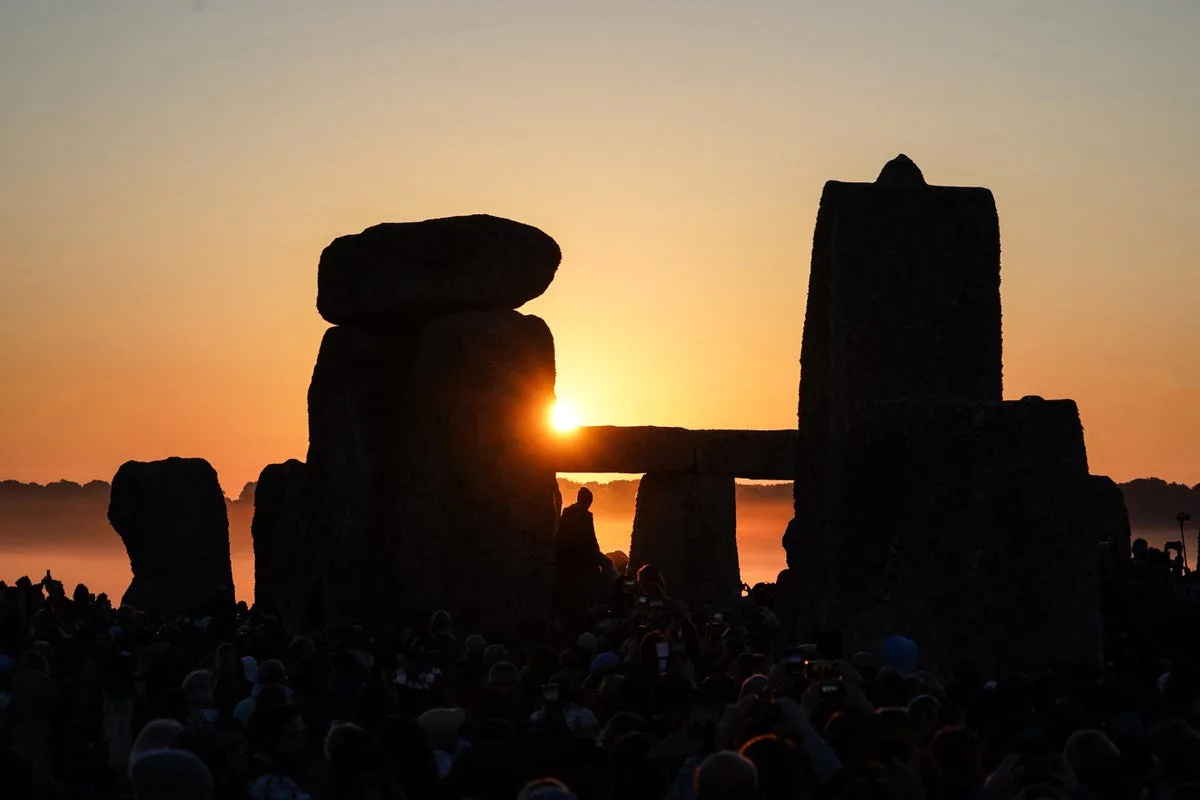
Ancient monuments such as Stonehenge in England, Karnak in Egypt, and Chankillo in Peru demonstrate that humans have observed the solstices for over 5,000 years. At Stonehenge, the Sun rises directly over an ancient avenue leading northeast on the solstice, highlighting the significance of this celestial event to our ancestors.
While the summer solstice heralds the longest day, the winter solstice brings the shortest. Six months after the summer solstice, the Sun reaches its southern extreme, passing overhead for those on the Tropic of Capricorn, and northerners experience their shortest days. This cyclical pattern has been celebrated with bonfires, festivals, and other traditions across cultures.