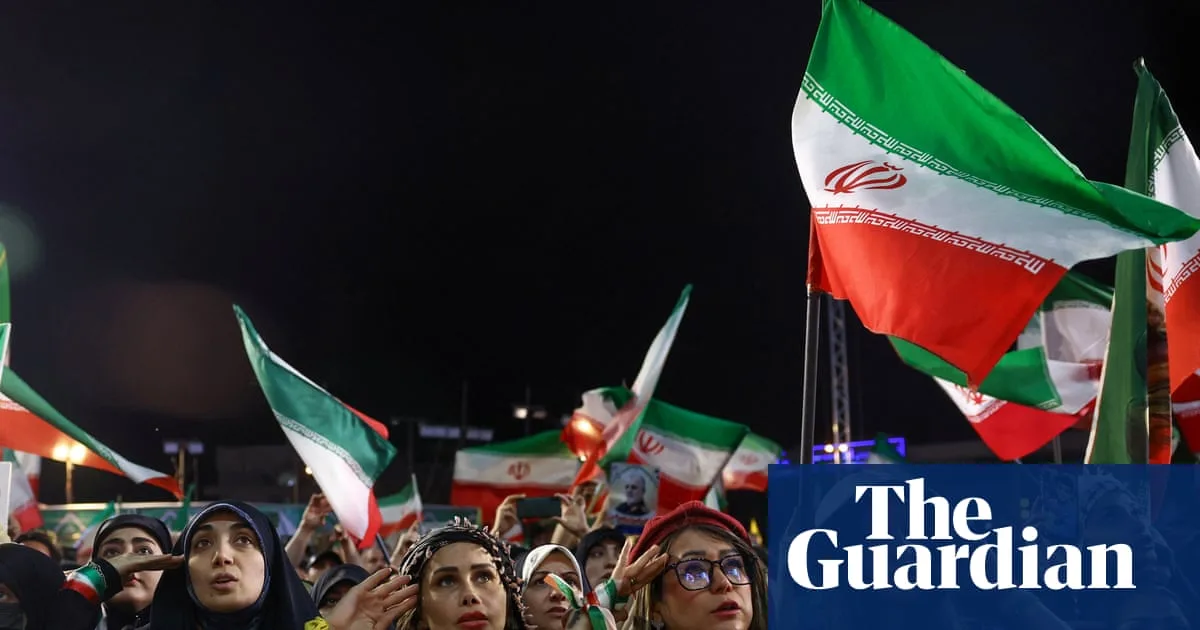
Iran will make World Cup history on Monday by becoming the first team to play on the soil of a host nation with which it is at war, as the squad faces New Zealand in Los Angeles. The match takes place amid ongoing hostilities between Iran and the United States, with a fragile ceasefire failing to hold and diplomatic efforts stalled. Analysts say the backdrop undermines Fifa’s “football unites the world” slogan, with the Iran-US-Israel conflict at the centre of what is described as the most politically combustible World Cup ever.
The team’s participation was in doubt after Donald Trump suggested it would be safer for them to stay away, but US visas were granted this week. However, several officials, including the president of Iran’s football governing body, Mehdi Taj, were denied entry due to his past membership of the Islamic Revolutionary Guard Corps. The uncertainty has disrupted preparations, forcing the squad to train in Tijuana, Mexico, and travel to Los Angeles only on match days to avoid overnight stays in the US.
Iran’s subsequent group matches—against Belgium on 21 June in Los Angeles and Egypt on 26 June in Seattle—have also drawn controversy. The Egypt fixture coincides with Seattle’s Pride festival, prompting protests from Iran and Egypt, where homosexuality is criminalised. Meanwhile, an ideological tug-of-war over the team’s identity has intensified, with a Fifa-sanctioned video depicting players as representatives of Shia Islamist ideology, drawing criticism from analysts and opponents of the regime.
Reza Pahlavi, son of Iran’s deposed shah, has attacked efforts to portray the team as regime emissaries, posting a video highlighting the persecution of footballers. The Iranian football federation also lobbied Fifa to ban displays of pre-1979 revolution flags, further highlighting the political divisions surrounding the squad. Despite the challenges, Fifa has expressed confidence that Iran can compete, as the team prepares to navigate both sporting and political hurdles.