Romanian Capital Gripped by Severe Winter Blizzard
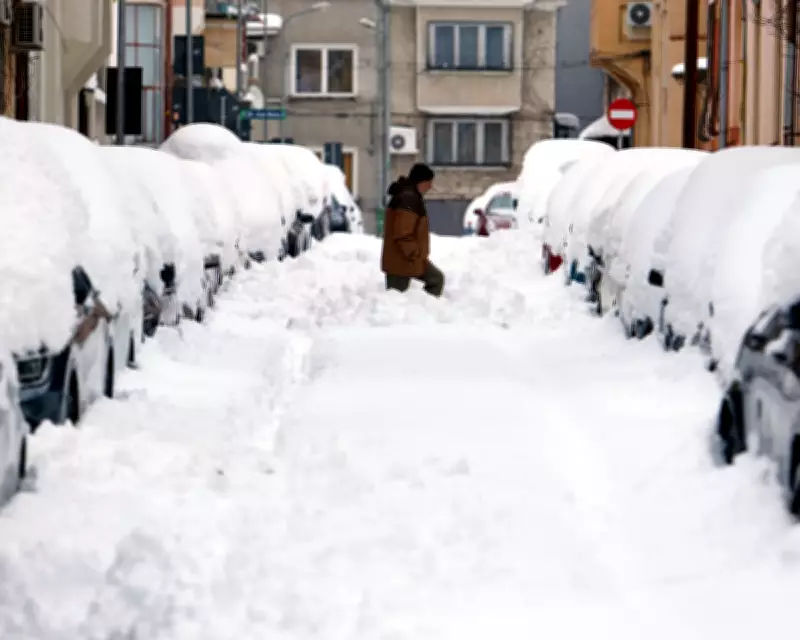
A powerful winter storm has unleashed chaos across Romania, with the capital city of Bucharest receiving a staggering 40 centimetres of snowfall. This accumulation far exceeds the February average of 11cm, plunging the southeastern region into a state of emergency. The heavy snow, accompanied by blizzard conditions, has severely disrupted daily life and infrastructure.
Transport Networks Crippled and Power Outages Widespread
Public transport systems in Bucharest have been brought to a near standstill. International airports were forced to close, while train services experienced delays of up to six hours. Major motorways and key routes into the capital were shut down due to hazardous driving conditions and deep snow drifts. The situation was further exacerbated by hundreds of trees and numerous power lines collapsing under the immense weight of the snow, resulting in electricity outages affecting approximately 200,000 households.
France Endures Successive Storms and Record Flooding
Meanwhile, western Europe continues to grapple with an exceptionally wet winter. In France, Storm Pedro followed closely behind Storm Nils, worsening pre-existing flood conditions across the country. Storm Nils, which struck last week, was responsible for two fatalities due to a combination of fierce winds and severe flooding. Although Storm Pedro was less intense than some recent weather systems, it still produced wind gusts exceeding 70 miles per hour and delivered an additional 50mm of rainfall in certain areas.

Soil Saturation Reaches Historic Levels
The cumulative effect of persistent rainfall has pushed France into a record-breaking wet period. Soil moisture levels are currently at their highest recorded point since measurements began in 1959. Consequently, rivers are at capacity and unable to absorb more water. Orange and red flood alerts, the two highest levels on the national scale, have been issued continuously for over thirty consecutive days. Meteorologists anticipate some relief next week as high-pressure systems build, which should halt significant rainfall for several days in the worst-affected regions.
Central US Experiences Unseasonable Warmth and Wildfires
In a stark contrast, much of the central and eastern United States has been experiencing temperatures 10 to 15 degrees Celsius above the seasonal norm, offering millions an early taste of spring. For instance, Chicago, Illinois, saw temperatures soar above 18 degrees Celsius on Monday. However, this warm, dry weather, combined with gusty winds, has fueled fast-moving wildfires in parts of Colorado, Kansas, and Oklahoma, burning tens of thousands of acres of land.
Wind-Driven Accidents and Reduced Visibility
The extreme weather conditions in the US have also led to tragic accidents. In Pueblo, Colorado, wind gusts surpassing 60 miles per hour caused a devastating 30-vehicle pile-up, resulting in five fatalities. These powerful winds created "brown out" conditions by kicking up substantial dust and dirt, dramatically reducing visibility on roadways and contributing to the dangerous situation.