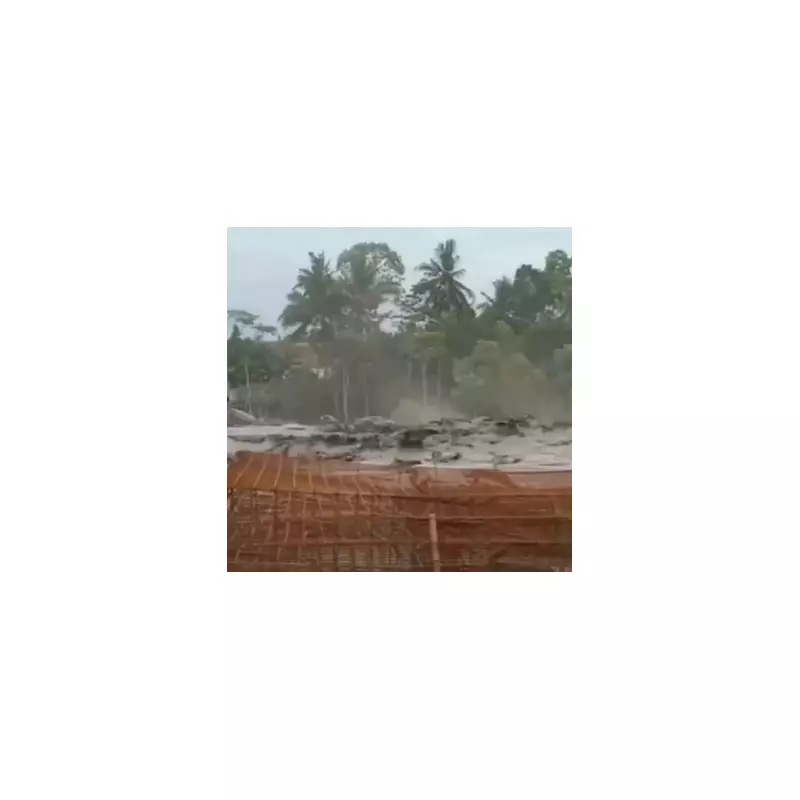
Indonesia's most active volcano, Mount Semeru, has violently erupted, discharging a colossal plume of volcanic ash and sending torrents of mud through nearby communities.
Major Eruption Event Unfolds
The significant volcanic activity occurred on 21 December 2025, with the mountain erupting six separate times within a single day. The most dramatic visual was a towering column of ash and volcanic material that surged approximately 3,937 feet (1,200 metres) into the atmosphere.
Located in East Java, Indonesia, Mount Semeru has maintained a high-level active alert status for several years, indicating persistent volcanic unrest. This latest series of explosive events marks a severe escalation in its activity.

Immediate Impact and Hazards
The immediate consequence for residents has been the development of fast-moving torrents of mud, known as lahars, flowing through towns in the vicinity. These dangerous flows are a common secondary hazard following eruptions, particularly on rain-soaked volcanic slopes, and can be devastating to infrastructure and life.
Authorities are now tasked with emergency response efforts, including potential evacuations and assessing the full extent of the damage caused by the mudflows and ash fall.
Ongoing Risk and Monitoring
This breaking news story underscores the ever-present threat posed by volcanoes in the seismically active Pacific Ring of Fire. The situation remains fluid, and volcanologists will be closely monitoring Mount Semeru for signs of further eruptions or increased activity.
Residents and travellers in the region are urged to heed all warnings from local disaster management agencies and avoid the exclusion zones established around the volcano.