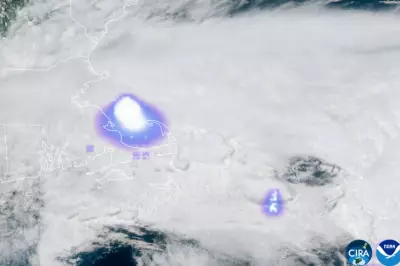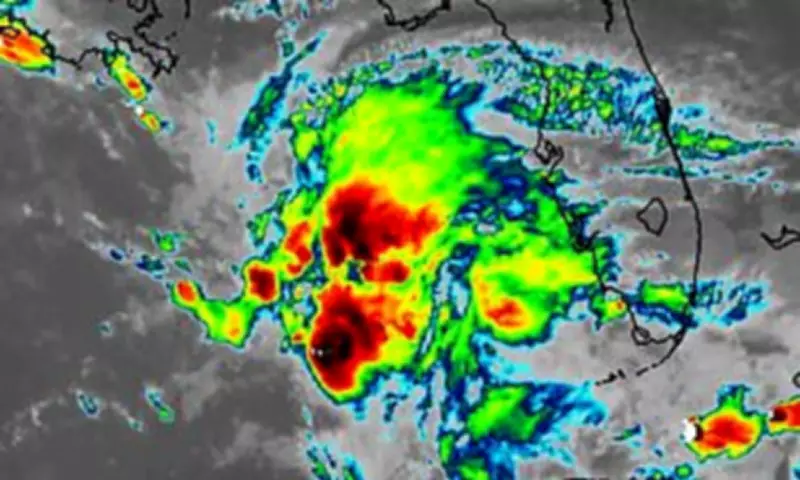
Meteorologists have identified a sprawling storm system in the Gulf of America, warning that it is 'a spot to watch' as it threatens to bring severe weather to the US Gulf Coast. The system, which has developed into a massive blob of storms, is currently positioned closer to Florida but is forecast to move northwest, delivering torrential downpours and high winds to Louisiana, Mississippi, and Alabama from Friday into the weekend.
Forecast Details
AccuWeather meteorologists have cautioned that localized urban flooding is possible, particularly in New Orleans, and that a few waterspouts could form and move onshore along area beaches. The sprawling weather system, dubbed the 'Gulf blob' by weather watchers, is not expected to develop into a tropical storm. Instead, it consists of a disorganized mass of thunderstorms and tropical moisture stretching across the Gulf.
While its appearance on satellite imagery has drawn attention, with one observer describing it as an 'ominous blob,' meteorologists say the system is unlikely to strengthen into a tropical storm. Meteorologist Dylan Federico with Florida's WSVN 7 News stated on X that the National Hurricane Center does not expect tropical development due to strong wind shear.

Primary Concerns
The primary concern is heavy rainfall, with forecasters warning that repeated rounds of thunderstorms could produce intense downpours capable of triggering localized flooding, particularly in low-lying and poorly drained areas. Some communities could see several inches of rain over a short period, along with gusty winds and rough coastal conditions as the system tracks northwestward through the weekend.
FOX Weather meteorologists have warned that cities such as New Orleans, Biloxi, and Gulfport will be among those with the highest chance of seeing the most rain. Although forecasters do not expect the system to develop into a tropical storm, it is still expected to bring coastal flooding, dangerous surf, and life-threatening rip currents to parts of Louisiana and Mississippi.
Wind and Coastal Impacts
The weather pattern is also expected to whip up strong winds across the Gulf Coast beginning Thursday. Gusts of up to 40 mph could churn the surf, create dangerous rip currents, and force water onto shorelines, raising the threat of minor flooding in coastal communities during high tide. The Southeast is already waterlogged after enduring multiple rounds of drenching storms in recent weeks, raising concerns that even more rain could lead to rapid flooding.
Officials have issued Coastal Flood Advisories from Louisiana to Mississippi, warning that rising water levels could inundate parks, parking lots, and other low-lying areas along the coast.
Hurricane Season Context
The blob of storms comes just as the Atlantic hurricane season has begun, which runs through November 30. The first named Atlantic Tropical Cyclone on the list is Arthur, followed by Bertha, Cristobal, and Dolly. AccuWeather released its 2026 hurricane outlook in March, urging millions of Americans, particularly in Virginia, the Carolinas, Florida, Alabama, Mississippi, and Louisiana, to start preparing for potentially devastating weather, as even a small number of hurricanes could be deadly and cause billions of dollars in damage.
AccuWeather Lead Hurricane Expert Alex DaSilva said: 'There is no reason to let your guard down this year. It only takes one storm to cause major damage, disruption and heartache. Review your insurance coverage, safety plans, and local evacuation routes now. Make sure your emergency supplies are stocked up.'
The National Oceanic and Atmospheric Administration (NOAA) also released its official outlook last month, showing three to six hurricanes with wind speeds above 74 mph and one to three major hurricanes with winds exceeding 111 mph. NOAA warned that although this year’s Atlantic hurricane season is expected to be below normal, past seasons with lower-than-average activity have still produced devastating Category 5 storms that made landfall.

Competing Weather Patterns
Forecasters said several competing weather patterns are expected to shape this year’s season. While El Niño is forecast to strengthen during the coming months, a climate pattern that typically suppresses hurricane activity, unusually warm Atlantic waters and weaker-than-average trade winds could still help fuel storm development. NOAA’s National Weather Service Director Ken Graham said: 'Although El Niño’s impact in the Atlantic Basin can often suppress hurricane development, there is still uncertainty in how each season will unfold. That is why it’s essential to review your hurricane preparedness plan now. It only takes one storm to make for a very bad season. Preparing now for hurricane season, and not waiting for a storm to threaten, is essential for staying ahead of any storm.'