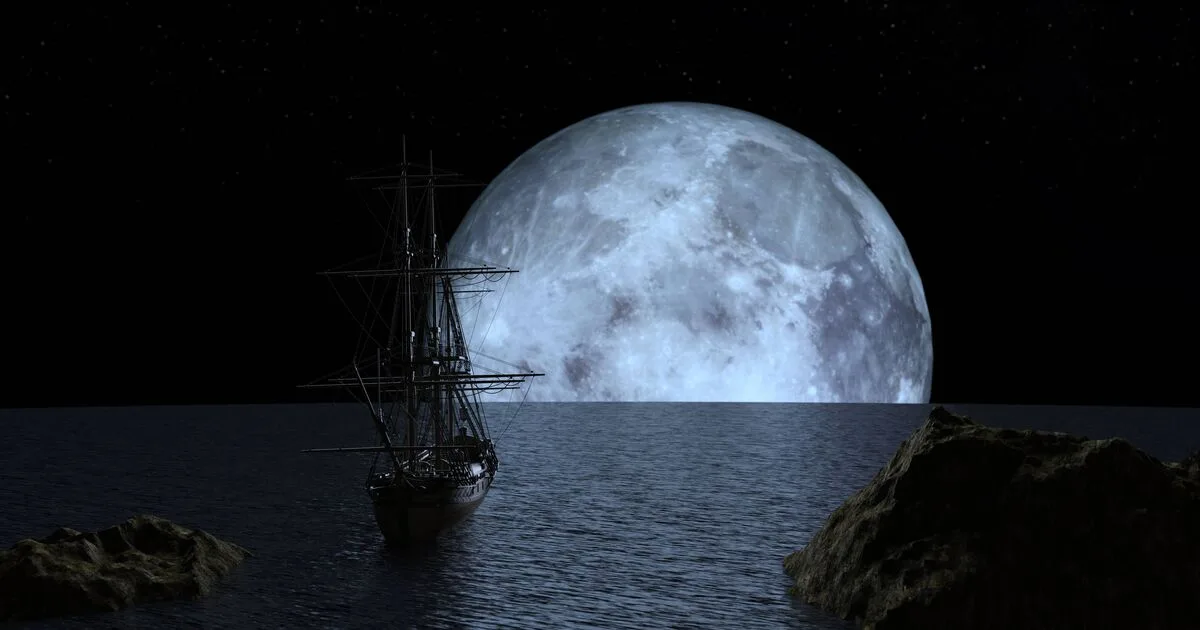
Stargazers in the UK are in for a treat this weekend as a rare blue moon will grace the night sky for the first time since August 2024. The phenomenon occurs when two full moons appear within the same calendar month, an event that happens only every two to three years.
The blue moon will reach peak illumination on Sunday, 31 May, but the best viewing time is on the evening of Saturday, 30 May, when the moon rises shortly after sunset and remains visible all night. According to astronomy expert Alan Jones, the moon will sit relatively low in the southern sky, so choosing a location with clear views of the eastern and southern horizon, away from tall buildings and trees, will provide the best experience.
Despite its name, the moon will not actually appear blue. This year's event is also a micromoon, meaning the moon is near the furthest point in its orbit from Earth, making it appear slightly smaller and dimmer than usual. However, as the moon rises or sets near the horizon, it can take on orange, amber or reddish tones due to atmospheric scattering of blue light.
Alan Jones recommends binoculars to enhance the view, revealing darker maria and brighter crater regions on the lunar surface. Smartphones can capture impressive images when mounted on a tripod and used with manual exposure settings. For dramatic moonrise photos, include buildings, trees or landscape features in the foreground. For closer lunar photography, a telescope with an aperture of around 80mm or more will provide crisp detail.
According to the Royal Museums Greenwich, blue moons are not actually blue, except in rare cases where volcanic eruptions or wildfires inject particles into the atmosphere, causing the moon to take on a blue hue. This event is not expected to produce such an effect, but it remains a rare and captivating sight for casual observers and astronomy enthusiasts alike.