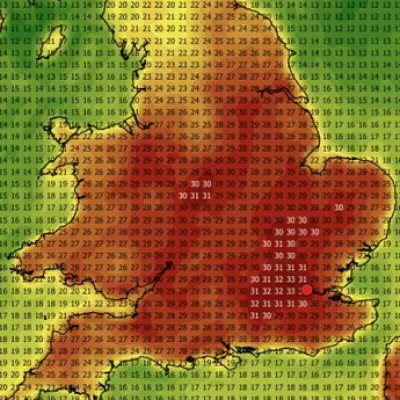
Households across the United Kingdom are being issued with an urgent warning to "cover their keyholes" as another severe bout of freezing weather approaches. This advice comes as the Met Office forecasts more unsettled conditions, including heavy rainfall, strong winds, and potential snowfall, particularly in northern regions.
Met Office Issues Weather Warnings
The Met Office has confirmed that the UK is set to be hit by more wintry weather in the coming days. Their latest forecast for the upcoming week states: "The weather will remain unsettled throughout the period. All areas will have further rain at times, some heavy. Often rather windy, with further snow and ice possible in the north." This follows the havoc wreaked by Storm Goretti last month, when temperatures plummeted dramatically nationwide.
Draught-Proofing to Protect Homes and Wellbeing
Families are being strongly advised to safeguard their properties against the incoming cold snap and blustery weather. The Energy Saving Trust has highlighted the critical role of draught-proofing in protecting both properties and residents' wellbeing. Draughts occur when unwelcome cold air infiltrates homes through openings in the structure, leading to increased energy consumption for heating.

Specialists suggest a straightforward approach to maintaining warmth. They recommend inspecting properties for any openings, noting that checking for light seeping around doors and windows serves as an ideal starting point. Additionally, listening for whistling sounds during windy spells and attempting to detect incoming air currents can help identify problem areas.
Starting with the Front Door
In most properties, the front door represents the optimal location to begin draught-proofing efforts. Keyholes can be sealed against draughts using specially designed covers featuring a metal disc that sits over the opening. This simple measure prevents cold air from getting in and stops the loss of hot air from inside the home.
Keyhole covers are readily available in DIY stores and online, typically costing around £2. Households can also cover letterboxes with a flap or brush to stop more draughts. Furthermore, gaps at the bottom of the front door should be addressed with a brush or hinged flap draught excluder, while any gaps around the edges can be fixed with foam, brush, or wiper strips.
Important Exceptions to Draught-Proofing
The Energy Saving Trust has issued a crucial warning regarding draught-proofing practices. They state: "Internal doors should not be draught proofed. There should be a gap beneath internal doors to make sure you get sufficient air flow throughout your home." Additionally, gaps in rooms where ventilation is important should not be sealed. This includes rooms with open fires or where lots of moisture is produced, such as kitchens and bathrooms.
By taking these proactive steps, UK households can better protect their homes from the impending wintry weather, reduce energy consumption, and enhance overall comfort during the cold spell.