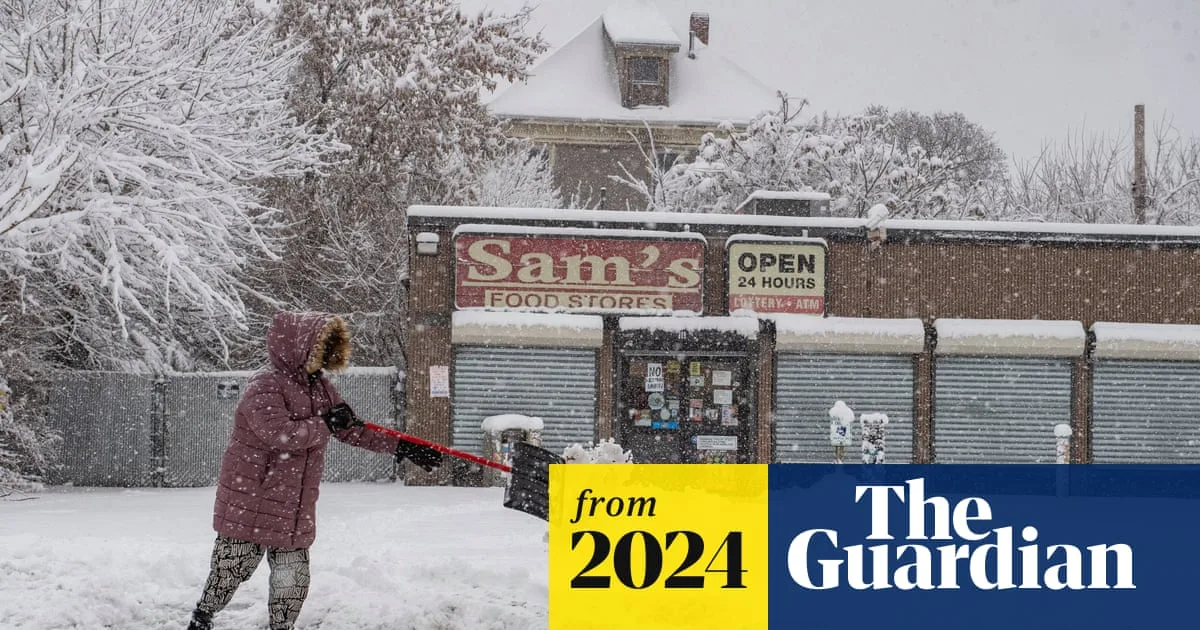
Arctic Blast Brings Frigid Temperatures and Snow to US After Record Heatwave
Arctic Blast Brings Frigid Temperatures to US After Heatwave

Arctic Blast Plunges US into Deep Freeze After Record-Breaking Heat

A dramatic and sudden weather reversal is gripping the United States, as an intense Arctic blast sweeps across the nation, replacing a recent spell of record-breaking warmth with plunging temperatures and unexpected snowfall. Forecasters warn that approximately 100 million Americans from Idaho to the Northeast will feel the bite of this frigid air mass, with some regions bracing for winter-like conditions.

From Record Highs to Icy Lows

The shift is stark. Cities like New York City and Philadelphia, which just days ago basked in unprecedented April highs of 90°F and 93°F respectively, are now forecast to experience temperature drops of up to 40 degrees. The Washington Post reported that New York's mercury could plummet to a chilly 50°F or lower in the coming week. This dramatic cooldown is a direct result of an area of high pressure forming over Greenland, which is forcing a surge of cold Arctic air southwards across the continent.

The cold front, originating from Alaska, began its march on Friday. Denver, Colorado, witnessed this abrupt change firsthand, with snow flurries arriving just a day after the city enjoyed a balmy 77°F. The frigid conditions are expected to spread eastward, reaching much of the East Coast by Sunday and continuing its influence through Monday.

Wide Pickt banner — collaborative shopping lists app for Telegram, phone mockup with grocery list

Winter Weather Advisories and Snowfall Predictions

The National Weather Service has issued winter weather advisories for states including Iowa, Nebraska, and Missouri, effective until Tuesday afternoon. Forecasters predict several inches of snow could accumulate in these areas. Locations such as Madison, Wisconsin, and Binghamton, New York, are anticipated to see below-freezing temperatures by Monday morning.

Meanwhile, Alaska itself is not spared, with predictions of 40 mph winds whipping up snow flurries that could lead to accumulations of up to eight inches. The contrast from earlier in the week is visually striking; where tourists recently enjoyed sunny weather in Washington D.C. and girls lounged in Central Park in shorts, scenes now include motorists navigating snow flurries in Denver.

Agricultural Impacts and Longer-Term Forecast

AccuWeather meteorologists caution that this drastic temperature swing poses risks beyond immediate discomfort. The sudden deep freeze could damage early blossoming flowers and negatively impact fruit production later in the year. Lead Long-Range Meteorologist Paul Pastelok explained that the unusually warm conditions earlier in April, which ran two to eight degrees above historical averages in the East, had accelerated budding and blossoming. This makes vegetation particularly vulnerable to the incoming cold snap.

While the core of the cold blast is expected to last only a few days before temperatures rebound, Pastelok warned that atmospheric patterns in the northern Pacific could lead to additional cool periods later in April and into May. In contrast, the southern US, including cities like Charlotte, North Carolina, and Atlanta, Georgia, may continue to see warmer conditions and could even experience record highs.

Severe Storms and Tornadoes Accompany Weather Shift

This dramatic thermal shift coincides with severe storm activity across the Midwest. A series of tornadoes were reported amid powerful storms that brought damaging winds and hail from Texas to the Great Lakes. One likely tornado tore through the small village of Lena, Illinois (population nearly 3,000), on Friday, causing extensive damage.

The storm ripped down power lines and trees, stripped roofs from buildings, and left debris blocking roadways. Stephenson County Sheriff Steve Stovall reported "compromised structures" creating hazardous conditions but noted the community was "extremely fortunate" that there was no loss of life or serious injury. The National Weather Service plans to survey the area to confirm the tornado.

Pickt after-article banner — collaborative shopping lists app with family illustration

Eyewitness accounts from Lena High School described a terrifying scene. Fourteen-year-old Leo Zach was in the band room when the building shook and the power failed. "I was just trying to stay calm, help other people," he said, after some students experienced panic attacks. Upon exiting, they found windows blown out and part of the school's roof torn off. Online photos showed demolished fences, buildings missing bricks, and a garage completely destroyed.

This volatile weather pattern underscores the unpredictable nature of spring across the United States, as communities swiftly transition from record heat to winter advisories, all while contending with the threat of severe storms.