Adrian Chiles, the Guardian columnist, has voiced a stark and relatable critique of the British winter, painting a vivid picture of the season's pervasive and miserable greyness. In a heartfelt column, he describes how from the start of last month to the end of this, the days are consistently wet or damp, with temperatures that swing unpredictably from cold to uncomfortably warm, often leaving one stewing in rainwear.
The Monochrome Misery of Winter
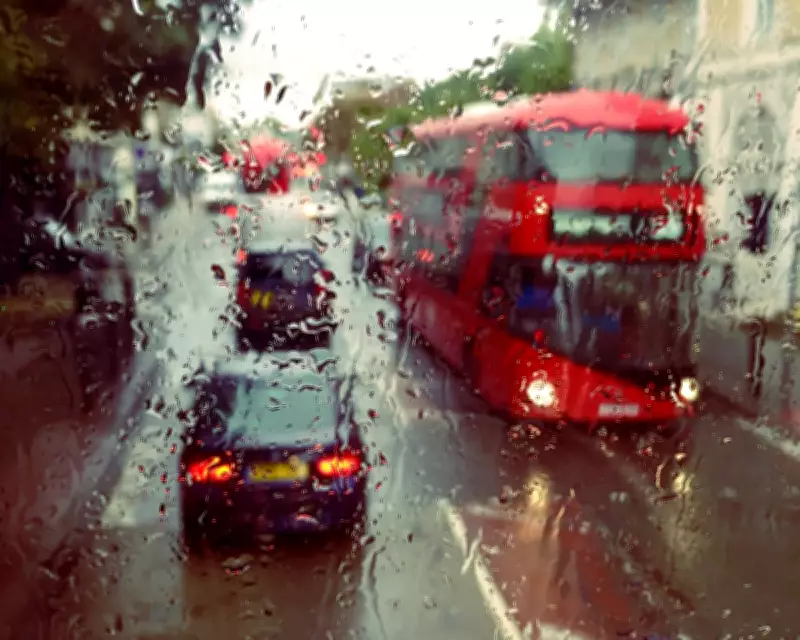
Chiles emphasises that the worst aspect is the overwhelming grey that blankets everything. He notes that the clouds, buildings, trees, cars, and even people seem to fade into a dull, uniform hue. While red buses attempt to inject a splash of colour, their dirty red tones do little to lift the spirits. Inside these buses, condensation on the windows creates a sweaty, grey film that obscures the view of the grey and wet world outside, making the experience feel claustrophobic and dreary.
A Life in Shades of Grey
He compares living through these months to existing in a black and white film, but argues it is far worse because such films at least offer contrasts of black and white. In contrast, the winter landscape offers only endless shades of grey. Even snowfall, which might briefly brighten the scene, loses its purity quickly, fading to grey within about fifteen minutes as it mixes with the damp environment.

The occasional burst of colour in the murk, Chiles finds, does not help but instead accentuates the monochrome surroundings, deepening the overall gloom. He specifically mentions that vividly red objects feel particularly unhelpful and almost morbid, evoking the quiet horror of the small figure in the bright red coat from the unsettling film Don't Look Now, a reference that underscores the psychological impact of these visual cues.
The Sun's Cruel Tease
As he writes, the sun makes a fleeting appearance, but Chiles is not deceived. He sees it as a cruel tease, a brief respite that will soon vanish for days or weeks on end. He expresses a preference for the consistent grey over this false hope, stating that the lengthening days only serve to prolong the period of greyness, offering no real comfort.
Interestingly, Chiles admits that he does not mind the nights, as blackness, while not ideal, is preferable to grey because it provides a clear contrast and a sense of closure. In his view, black beats grey, and anything is better than the relentless monotony of grey hues.
A Glimmer of Hope?
In a personal anecdote, Chiles recounts going for a blood test, where at least his blood was not grey, offering a small, grimly humorous relief. The phlebotomist attempted to cheer him up by noting that each day brings us closer to spring, but Chiles remains sceptical. He concludes that he will only believe in the arrival of spring when he sees tangible signs of it, reflecting a widespread seasonal weariness many in the UK might share during these long, grey months.