The 2026 World Cup is nearing its conclusion, with only the third-place match in Miami and the final in East Rutherford, New Jersey, remaining. The United States, as the lead host among the North American trio, staged 78 of the tournament's matches across 11 cities. As attention shifts to the 2030 centennial, it is time to assess how the US performed in its second men's World Cup hosting venture.
Stadiums: B+
The sprawling NFL venues, designed to retain sound, successfully generated atmosphere and packed in large crowds. However, concourse congestion remained a persistent issue, as corridors were not sufficiently expanded to handle the volume of fans. While lacking traditional charm, the stadiums were generally well-received.
Transport: D+
Public transportation, a known challenge in a car-centric nation, proved inadequate. Some cities introduced ad-hoc bus services, but long travel times to and from venues, coupled with high costs, frustrated fans. The reliance on automobiles was a clear drawback.
Affordability: F
Ticket pricing far exceeded expectations, with FIFA acknowledging the tournament was used as an "ATM." The high costs were unsustainable for future events, according to FIFA, and set a precedent that drove up prices for transport, food, merchandise, and parking. This made the World Cup inaccessible to many global fans.
Hospitality: Mixed (A for spirit, F for barriers)
Community displays and FIFA volunteers created a welcoming atmosphere, with traveling fans bonding over overpriced drinks. However, Trump administration policies turned away referees, team staff, and fans from banned nations, including Côte d'Ivoire, Haiti, Iran, and Senegal. The barriers contrasted sharply with the inclusive spirit of the 1994 World Cup.
Atmosphere in Host Cities: B-
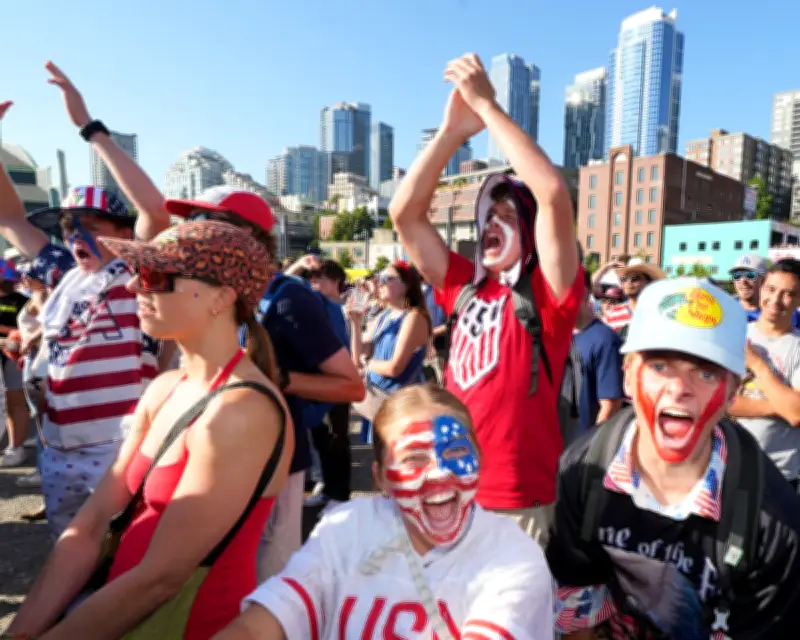
Seattle, Philadelphia, and Kansas City excelled with organic soccer cultures, public watch parties, and vibrant street celebrations. Boston and the Bay Area also embraced visitors. Conversely, cities with stadiums far from city centers, such as Dallas and Houston, struggled to generate excitement, with many locals unaffected by the tournament's presence.