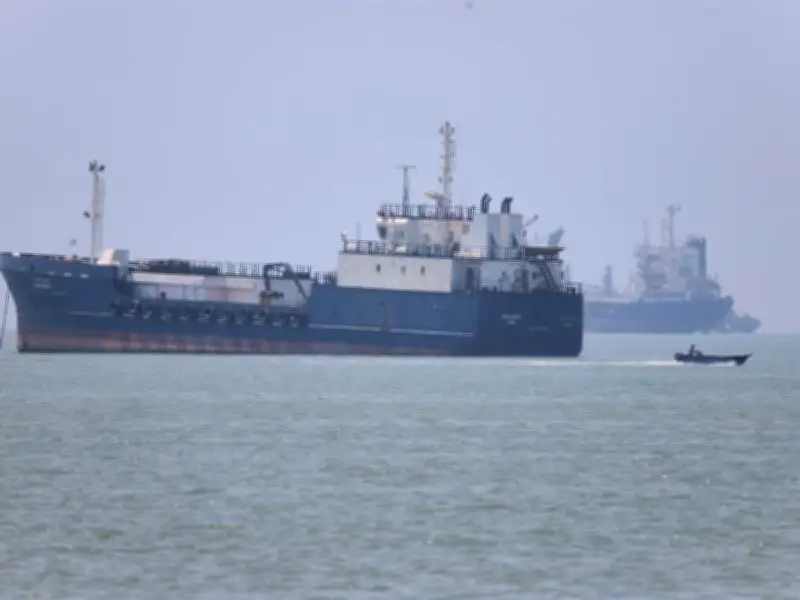
Iran has announced it is shutting the Strait of Hormuz, alleging the US and Israel have breached the ceasefire. Iran's military referenced Israel's fatal strikes on Lebanon and what it described as US 'bad faith' and its 'clear breach of commitments' by not bringing the war to an end. In a statement broadcast on state television on Saturday, Tehran cautioned that 'if the aggression continues, subsequent steps have been planned'.
Strait of Hormuz Closure Details
Vessels had started passing through the strait — through which approximately 20 per cent of the world's oil and liquefied natural gas flows — following an interim peace deal between the US and Iran signed earlier this week. Shortly after the most recent closure was declared, Iran's Revolutionary Guard Corps Navy issued a warning to all vessels: 'Do not approach the Strait of Hormuz; otherwise, your security will be jeopardised.'
Israeli Strikes on Lebanon
This follows Israeli strikes on southern Lebanon which resulted in at least 47 fatalities on Friday, Lebanon's National News Agency reported. Israeli attacks have claimed at least 16 lives, including two children, thus far on Saturday, the agency stated. Four Israeli soldiers lost their lives in southern Lebanon on Friday after a Hezbollah drone hit their tank, the Israeli military and local media confirmed.
Hezbollah and Israel Exchange Fire
An Israeli military official reported Hezbollah launched more than 50 projectiles at Israeli forces in southern Lebanon overnight on Saturday. The army confirmed that it had targeted dozens of Hezbollah positions and fighters, including rocket-launching sites and command centres. Hezbollah said in a statement that while it remained committed to the ceasefire, Israel had violated it several times overnight. The group added that it would continue to repel attacks by Israeli troops.
Conflict Casualties and Displacement
In Lebanon, Israeli strikes have killed more than 3,900 people and injured 11,600 since the latest conflict began on March 2, according to the Lebanese Ministry of Health. More than one million people have been displaced in Lebanon, with over 140,000 recorded in collective shelters such as schools and public buildings.