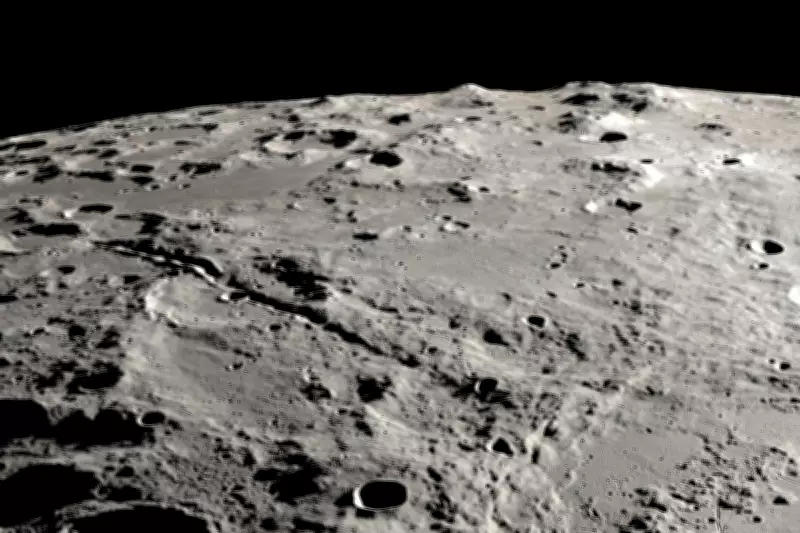
NASA has officially declared that there is no longer any risk of asteroid 2024 YR4 colliding with the moon in the year 2032. This announcement, made on Thursday, March 5, 2026, provides a significant relief to the scientific community and the public, who had been monitoring the potential threat.
Refined Orbital Data Eliminates Collision Risk
Previously, NASA had estimated a 4.3% probability of a direct impact, but recent observations have drastically changed this outlook. In February 2026, the Webb Space Telescope conducted detailed studies of the asteroid's trajectory, allowing scientists to refine its orbit with unprecedented accuracy.
The new data conclusively shows that asteroid 2024 YR4 will pass by the moon at a safe distance of 13,200 miles, equivalent to 21,200 kilometers, on December 22, 2032. This distance is considered well within the margin of safety, ensuring no gravitational or physical interaction that could alter the moon's surface or stability.

From Earth Threat to Lunar Near-Miss
Discovered in late 2024, asteroid 2024 YR4 initially raised alarms due to its potential to threaten Earth. However, by 2025, scientists had already ruled out any collision with our planet for the next century, redirecting focus to its possible lunar impact.
The asteroid measures approximately 200 feet, or 60 meters, in diameter—a size that, while significant, is now confirmed to pose no danger to the moon. This update underscores the importance of continuous space monitoring and technological advancements in planetary defense.
NASA's ongoing efforts, supported by tools like the Webb Space Telescope, highlight the agency's commitment to tracking near-Earth objects and mitigating risks. The all-clear issued this week reassures global stakeholders that current systems are effective in predicting and preventing cosmic hazards.