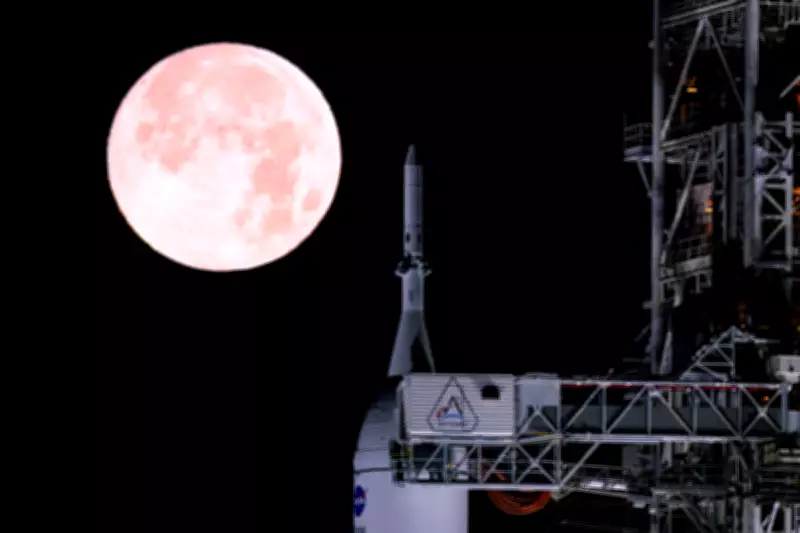
NASA has successfully launched its Artemis II mission, a historic crewed lunar journey that marks the first human return to the Moon in decades. The launch proceeded as planned, with the space agency confirming that both rocket systems and weather conditions were optimal for the scheduled takeoff.
Mission Details and Launch Timing
The Artemis II mission lifted off at 6:24 PM local time from the Kennedy Space Center in Florida, which corresponds to 11:24 PM in the UK. NASA had allocated a two-hour launch window to accommodate any potential issues, with backup opportunities available throughout the week and into the weekend, as well as later in the month if necessary.
Overcoming Previous Challenges
This launch follows weeks of delays caused by fuel leaks and technical problems that forced the cancellation of an earlier attempt. The rocket was rolled back from the launchpad for repairs but has since been returned and prepared for this successful mission.

The four astronauts aboard Artemis II will not land on the lunar surface but will instead orbit the Moon's far side before returning to Earth. The entire mission is expected to last ten days, concluding with the spacecraft splashing down in the ocean.
Significance of the Mission
Artemis II represents a crucial step in NASA's broader plans for lunar exploration and potential permanent settlement. It is the first crewed mission to the Moon since Apollo 17 in 1972, symbolizing a new era in space exploration. The launch coincided with the rise of a pink moon, adding a poetic backdrop to this monumental event.
Forecasters had predicted an 80% chance of favorable weather conditions, which contributed to the smooth execution of the launch. NASA officials expressed confidence in the mission's success, highlighting the rigorous preparations and technological advancements that made this journey possible.