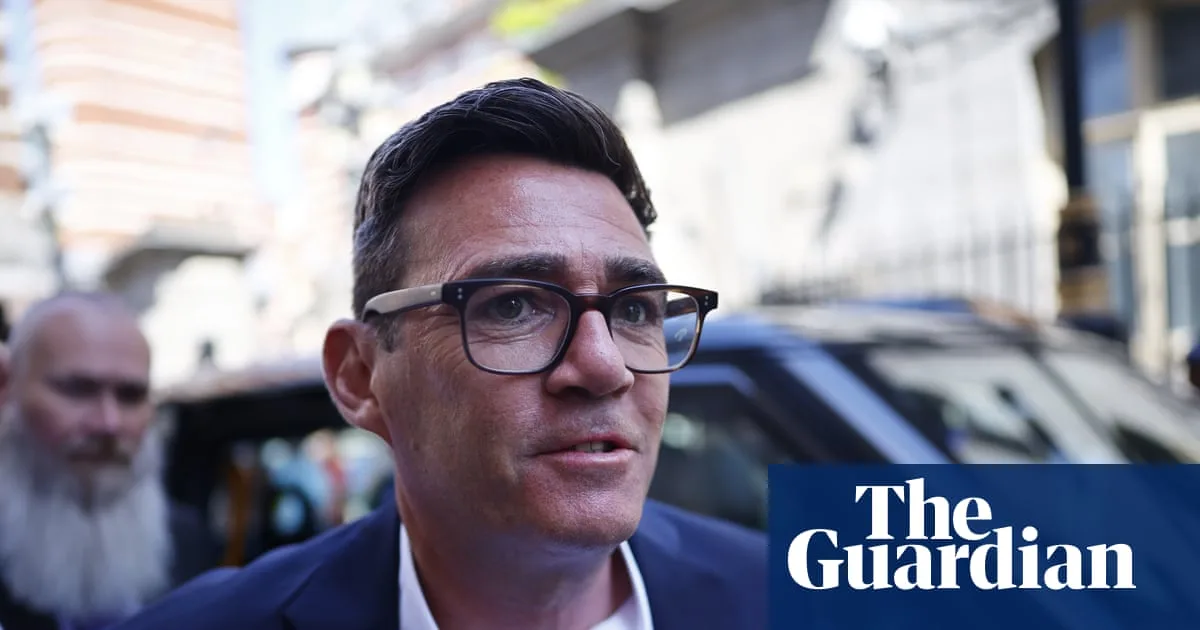
Bond investors have warned that Andy Burnham, the newly elected MP for Makerfield and widely expected next prime minister, would enter Downing Street already 'boxed in' by financial markets if he signals a rise in borrowing for a more expansive policy agenda. Mark Dowding, chief investment officer at hedge fund RBC BlueBay, said Burnham could find himself under pressure quickly if he ignores the weak state of government finances.
Burnham alarmed some investors last year by saying the UK was 'in hock' to bond markets, a stance he has since moderated. Dowding added that markets are prone to scepticism if Burnham tries to be too adventurous, and that he could be 'walking a tightrope' of his own making. The shadow of Liz Truss's mini-budget still hangs over UK fiscal policy.
If he becomes prime minister, Burnham is expected to follow through on pledges such as nationalising key utilities and a council housebuilding programme. However, how he pays for them remains unclear. He has committed to Labour's fiscal rules and manifesto promise not to raise income tax, VAT or national insurance, limiting his revenue options.
Andrew Goodwin, chief UK economist at Oxford Economics, said Burnham faces a very challenging backdrop and will have to cut spending elsewhere or increase taxes to finance any new spending. 'This isn’t a time where you can come in and pursue really big picture ideas,' he added.
On Tuesday, Jim O’Neill, a former Goldman Sachs chief economist and minister advising Burnham, called for billions more borrowing for infrastructure investment. He argued there is room under existing fiscal rules to borrow for investment. The choice of chancellor will be a key signal: Wes Streeting would be seen as centrist, while Ed Miliband would be more interventionist. However, Dario Perkins of TS Lombard noted that Miliband, a former Treasury adviser, likely understands bond market constraints.
Jonas Goltermann of Capital Economics said luck, such as falling energy prices, may matter more than politics. He pointed to the Iran war causing bond yields to spike earlier this year, a trend now unwinding, which could help Burnham's position.