Capcom's Pragmata: A Deep Dive into the Sci-Fi Shooter's Creation
In an exclusive interview, the creative team behind Pragmata, Capcom's highly anticipated 2026 title, discusses the intricate process of developing a new intellectual property set in a unique sci-fi universe. Game director Cho Yonghee and producers Naoto Oyama and Edvin Edso share insights into the game's innovative mechanics and thematic depth.
The Genesis of Hack-and-Shoot Mechanics
Cho Yonghee explains that from the outset, the goal was to create action combat that remains engaging and avoids becoming monotonous. "I love action games where the combat mechanics feel interesting and they stay fresh throughout the gameplay experience," he says. This led to the integration of hacking as a core element alongside traditional shooting, adding a strategic layer that prevents the game from being a mere blaster.
The hacking system underwent numerous iterations before evolving into its current form—a real-time puzzle grid that players must solve while simultaneously engaging in gunplay. Edvin Edso notes that half of Pragmata's development was dedicated to perfecting this balance, ensuring the concept works seamlessly from start to finish.

Weapon Design and Disposable Arsenal
Initially, Pragmata's weapons followed conventional shooter patterns, but the team recognized the risk of monotony. "We wanted to throw curveballs in the player's path throughout the gameplay experience," Yonghee states. This prompted a shift towards categorizing weapons into disposable groups, eliminating reliance on ammunition and encouraging strategic adaptation.
When asked about favorite weapons, Edso prefers the Stasis Net for its defensive capabilities, while Oyama enjoys the Decoy Generator for its playful mechanics. Yonghee highlights the Shockwave for its satisfying impact, hinting at more advanced tools in later game stages.
Building a Near-Future Sci-Fi World
Set in the near future rather than a distant one, Pragmata's universe is designed to be relatable and grounded. Naoto Oyama emphasizes that this setting prevents the technology from becoming incomprehensible, allowing players to connect with the world visually and thematically.
Yonghee adds that the game explores the imperfection of technology, as seen in elements like buggy 3D printing in the New York demo. "The technology itself not being perfect in the game is one of the thematic elements you can discover," he reveals, adding depth to the narrative.
Challenges and Freedoms of a New IP
As Capcom's new intellectual property, Pragmata presented both pressure and creative freedom. Yonghee admits feeling the weight of directing such a project but appreciates the blank slate. "There is also a certain kind of freedom that comes from having a blank slate to start with," he explains, allowing the team to realize their vision without franchise constraints.
Technical Adaptations and Enemy Design
Developing Pragmata for the Nintendo Switch 2 posed challenges, given the hardware's late announcement in the development cycle. However, Oyama reports that Capcom's RE Engine proved a smooth fit, resulting in an impressive port.
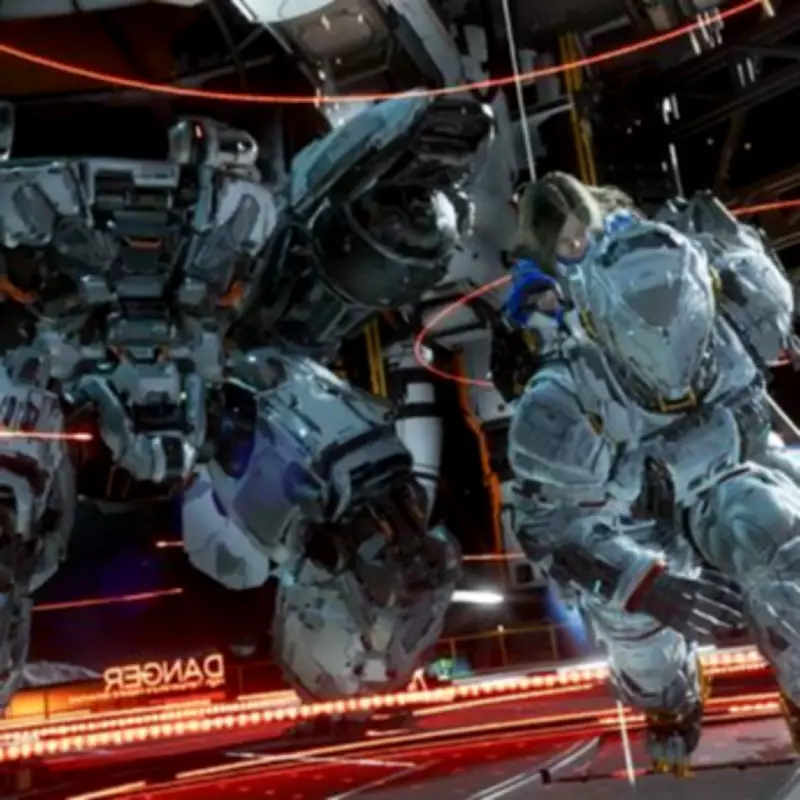
The game's enemy design, including the terrifying Giant Baby robots, introduces counter-hacking mechanics to keep players on their toes. Yonghee expresses excitement about these creations, promising fresh combat experiences throughout the game.
Pragmata is scheduled for release on April 17, 2026, across PS5, Xbox Series X, PC, and Nintendo Switch 2, positioning it as a potential game of the year contender.