Anlife: The AI Evolution Simulator Born from Miyazaki's Scorn
Anlife: AI Simulator Born from Miyazaki's Scorn

Anlife: The Unusual Evolution Simulator That Echoes Miyazaki's Critique

A peculiar software title has recently emerged on the PC gaming platform Steam, and "software" might be the most fitting description. Anlife: Motion-learning Life Evolution exists in a nebulous space between a life simulation, a scientific experiment, and a digital aquarium. This game likely would have faded into obscurity if not for a remarkable backstory involving one of animation's most revered figures.

From Insult to Innovation: The Miyazaki Connection

In 2016, Hayao Miyazaki, the legendary director behind films like Spirited Away and Princess Mononoke, was presented with AI-driven animation technology. Upon witnessing a zombie model that moved by knocking its skull against the ground and wriggling like a fish, Miyazaki famously declared it "an insult to life itself." The clip of this critique is both cringe-inducing and unforgettable. Now, nearly a decade later, the developers from that fateful demonstration have rebounded, releasing Anlife to the public.

Many players are downloading Anlife with hopes of gleaning insights into the current state of AI in video games. This interest is understandable, given the ongoing debates about AI's role in job displacement and its increasing use in game development on platforms like Steam. However, Anlife presents a challenge: it is such a whimsically inconsequential experience that extracting profound meaning from it proves difficult.

Gameplay and Aesthetics: Soothing Yet Superficial

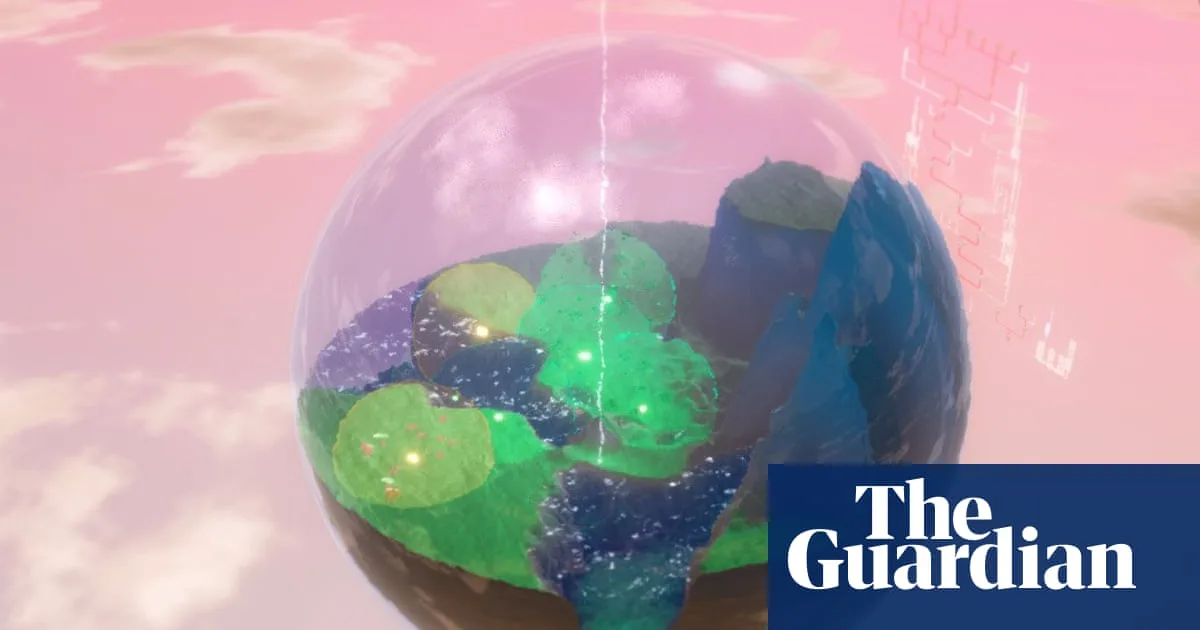
Anlife bills itself as an evolution simulator where "AI-driven block creatures move in unexpected ways." Players place various creatures into small environments and observe as they learn to navigate. Visually, the game embraces the Frutiger Aero style, featuring serene landscapes of green valleys and shimmering waters reminiscent of calming MRI imagery. The sound design is equally gentle, with bloops, bleeps, and pops that evoke the ambiance of a 2000s day spa.

This soothing quality extends to the mechanics. Over an idle session, players can introduce simple creatures, provide food to encourage breeding or mutation, and expand territories to lure creatures toward water or air for further variation. While there are unlockable elements, including a shadow tech tree for destroying creatures, the ecosystem remains straightforward. Essentially, Anlife is a game about watching creatures decide how to crawl toward food.

The Oatmeal Problem and AI's Limitations

The thrill ostensibly lies in the "how" of movement, where the game's mysterious AI implementation comes into play. After a few hours, players will see blob creatures develop new joints and body arrangements as they swim, fly, and roll around. This concept isn't entirely novel; AI has been used in similar ways, such as in NaturalMotion's 2009 project where a bipedal model learned to walk via evolved neural networks.

However, Anlife faces two significant issues. First, the emphasis on unlocking skill trees gives the early gameplay a mindless clicker-game feel that's hard to overcome. Second, it grapples with what's known as "the oatmeal problem," a term coined by developer Kate Compton. This problem highlights that while every bowl of oatmeal is unique, the differences are rarely interesting. Similarly, Anlife's creatures may discover new ways to move toward food, but they're still just moving toward food. This results in a game that either demands intense focus on minute details or encourages zoning out to enjoy the aesthetic.

AI's Alien Intelligence and Anlife's Niche

Playing Anlife evokes thoughts from an early AI researcher who, in 2013, suggested that AI's true value lies in its potential to become an alien form of intelligence. This could offer humans a new lens to view their own cognitive quirks and fallacies. In contrast, many modern AI efforts, like those from OpenAI, often focus on creating mimetic plagiarism machines that reinforce existing beliefs.

Anlife occupies a small, specific niche. It doesn't conceal its AI usage; instead, it highlights how AI enables creature movement. This isn't merely a game born from AI—it's a game that, in a modest way, is about AI. It aims to be slightly alien, eschewing ingratiation to examine AI's inherent otherness. Anlife: Motion-learning Life Evolution is available now on Steam for £11.79 or $13.99.