The Global Reach of Digital Misogyny
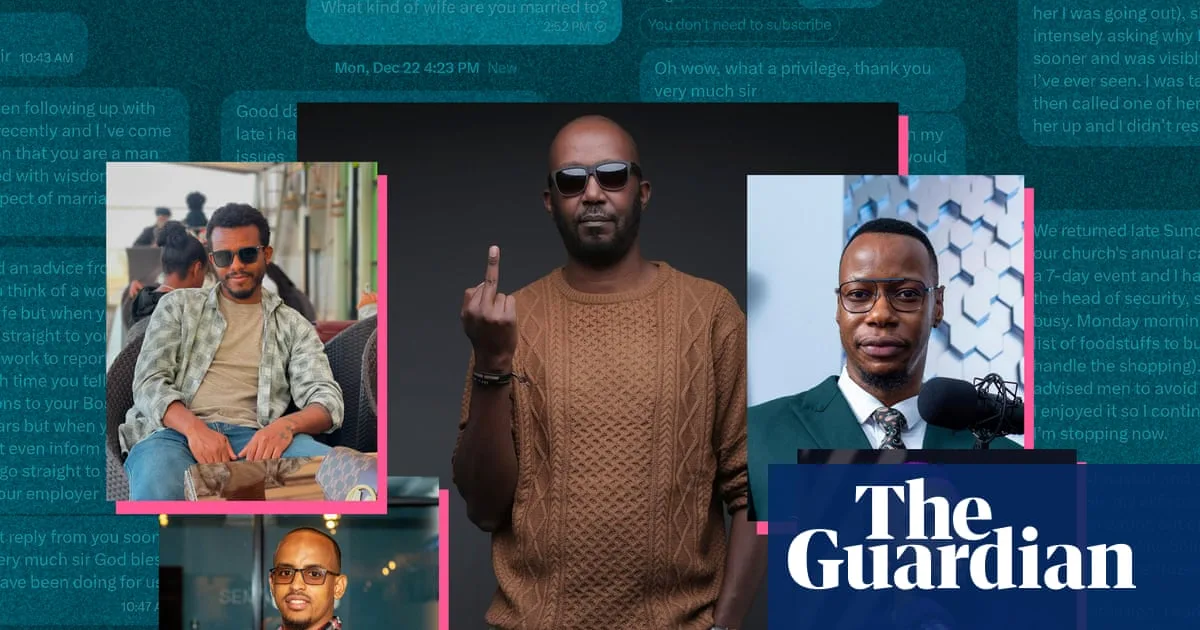
From Naty Mon and Andrew Kibe to Shadaya Knight, Penuel The Black Pen, and Xaliye, a network of online figures is spreading misogynistic messages across social media platforms. While high-profile Western influencers like HStikkytokky and Myron Gaines often dominate headlines, a deeper and darker global problem is emerging in the shadows of the internet.
Beyond the Western Manosphere
Recent analysis suggests that our cultural focus on American and British manosphere personalities may be distracting from a more pervasive issue. These visible figureheads represent just the tip of the iceberg, with their brash and offensive content making for compelling television while obscuring the widespread abuse occurring worldwide.
Behind this flashy exterior lies a murky digital world filled with threats, harassment, and the sexualisation of women and girls that receives minimal media attention. This environment forces many women to either withdraw from online spaces or develop psychological defenses to withstand constant attacks.
Women in Public Roles Under Fire
Women with public profiles, including politicians, journalists, and activists, face particularly intense online harassment. The consequences extend far beyond personal distress, creating a genuine threat to democratic processes when women's voices are systematically silenced through digital intimidation.
In Ethiopia, women identifying as feminists or maintaining any online presence have endured coordinated campaigns of abuse, including death threats so severe that some have been forced to flee the country entirely. Across Africa, where local manosphere communities are rapidly expanding, activists are demanding urgent action to address this escalating digital violence.
Legal and Systemic Failures
Most nations currently rely on existing cybercrime legislation to prosecute the handful of cases that reach authorities, but experts argue that specific laws addressing gendered online abuse are desperately needed. The scale of this crisis requires robust responses from lawmakers, technology companies, and researchers working collaboratively.
While dedicated individuals are already engaged in this challenging and unglamorous work of creating change, their efforts deserve greater recognition and support. Society cannot continue consuming sensationalized content about misogynistic influencers without confronting the underlying views they represent and developing strategies to counter them effectively.
Broader Global Context
This issue emerges against a backdrop of other pressing international concerns. As the war in Sudan enters its fourth year, creating what the United Nations describes as the world's largest humanitarian crisis, global attention remains divided. Meanwhile, discussions about slave trade reparations continue alongside regional crises from Lagos's housing emergency to Senegal's anti-gay legislation threatening HIV progress.
Journalism itself faces challenges, with editors gathering in Perugia, Italy, to address industry pressures ranging from artificial intelligence's impact to combating disinformation and misogynistic attacks against reporters. The need for responsible coverage that fights rather than fuels violence against women has never been more urgent.