Research Exposes Bot-Driven Campaign in Chappell Roan Security Guard Controversy
The intense online backlash targeting pop star Chappell Roan over allegations involving a security guard and an 11-year-old fan has been revealed as a coordinated attack significantly amplified by automated bot activity, according to new behavioral intelligence research.
Bot Activity Amplifies Personal Attacks
Analysis conducted by AI-driven platform Gudea examined 100,030 posts generated by 54,334 unique users across seven social media platforms between March 20 and March 22, 2026. The research discovered that 4.21 percent of the activity originated from what the company classifies as "non-typical" users exhibiting behavioral patterns consistent with automated or coordinated campaigns.
These non-typical accounts accounted for a substantial 23 percent of all posts about the incident, indicating a highly disproportionate influence on the online conversation. Gudea categorizes such users as outliers engaging in unusual posting patterns, influencers with large followings who spark conversations, and facilitators whose regular posting appears almost automated.
The Incident That Sparked Controversy
The controversy began when Brazilian soccer star Jorginho, 34, shared a lengthy Instagram Story detailing what he described as a "very upsetting situation" involving his wife, singer Catherine Harding, and his 11-year-old stepdaughter, whom Harding shares with actor Jude Law.
Jorginho explained that his family was coincidentally staying at the same hotel as Roan during Lollapalooza Brasil, where the "Pink Pony Club" singer was headlining. According to his account, his daughter spotted Roan at breakfast, became excited, and walked past the singer's table to confirm her identity before returning to her mother without speaking to or approaching the celebrity.
"What happened next was completely disproportionate," Jorginho claimed, alleging that "a large security guard" approached his wife and daughter and began "speaking in an extremely aggressive manner," leaving his daughter "in tears" and "extremely shaken."
Celebrity Response and Denials
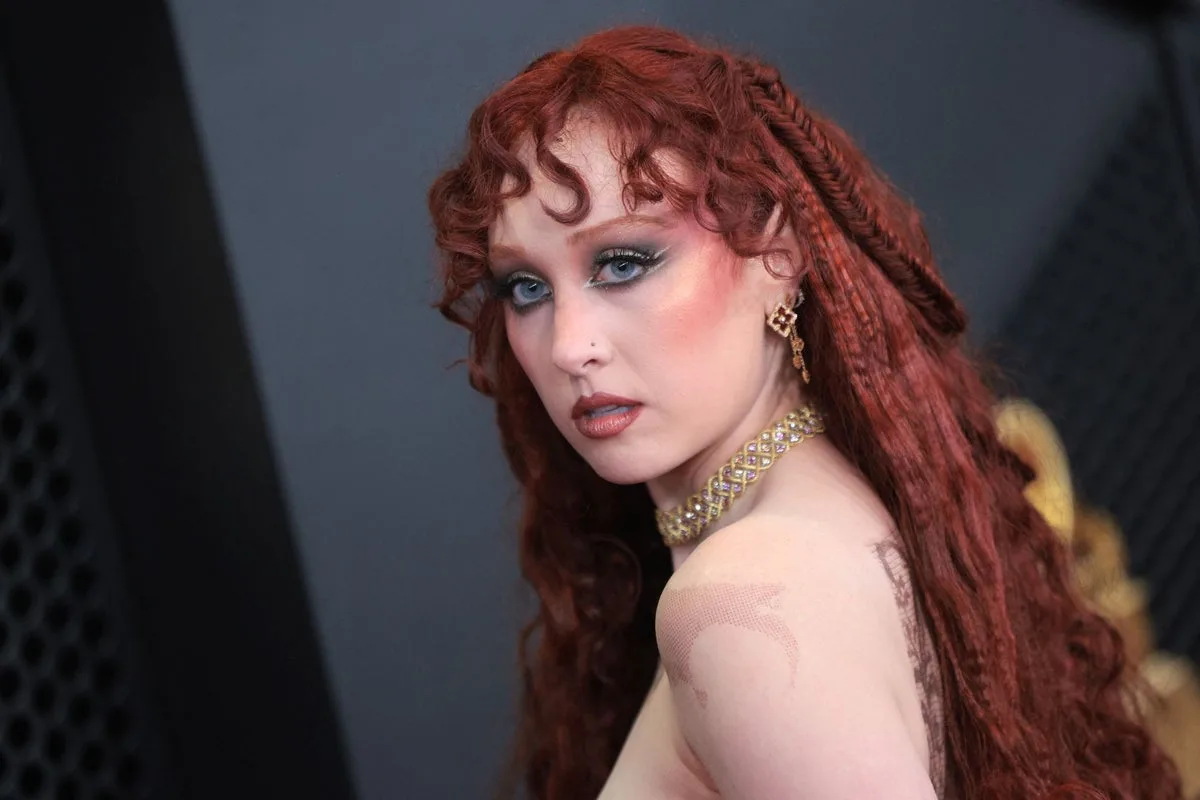
Roan, 28, has since addressed the incident, denying that the security guard was part of her personal detail and insisting she was unaware of the encounter. "I do not hate my fans," the singer stated publicly, while her character faced intense scrutiny regarding how she handles fame and interacts with supporters.
On Thursday, celebrity bodyguard Pascal Duvier came forward to take "full responsibility" for the incident, clarifying that he was not part of Roan's security team. "I was at the hotel on behalf of another individual, and I was not part of the personal security team of Chappell Roan," Duvier wrote on Instagram.
He explained that his actions were based on security information from the hotel and prior witnessed events, describing his interaction with the mother as "calm and with good intentions" while acknowledging the "regretful" outcome.
Coordinated Online Campaign Uncovered
The Gudea report detailed how the incident prompted intense personal attacks against Roan, calls for boycotts, and significant misinformation spreading as fact. "Discourse ranged from legitimate fan criticism and debate about celebrity privacy versus fan treatment, to coordinated attack campaigns and considerable satirical content that blurred the line with misinformation," the analysis noted.
Researchers found that the bot-driven activity created an artificial amplification of criticism that extended beyond reasonable fan discourse into organized attack campaigns. This coordinated effort contributed to spreading fictional embellishments presented as factual information about the incident and Roan's character.
The findings highlight growing concerns about how automated accounts and coordinated campaigns can manipulate public perception of celebrity controversies, creating disproportionate backlash that may not reflect genuine public sentiment.