Trump Administration Directs Agencies to Prepare for Marijuana Reclassification
Trump Tells Agencies to Prepare for Marijuana Reclassification

The Trump administration has issued directives to federal agencies, instructing them to prepare for the imminent loosening of federal restrictions on marijuana, according to a new report. This development signals a significant shift in national drug policy, with the Drug Enforcement Agency (DEA) poised to announce the first steps toward reclassifying the substance as early as this week.

Imminent DEA Announcement Expected

Sources familiar with the matter have informed The Washington Post that the DEA is expected to initiate the reclassification process imminently, beginning with an administrative hearing. This move would mark a pivotal change in how marijuana is regulated at the federal level, potentially easing barriers for scientific and medical research.

Current and Proposed Classifications

Marijuana is currently classified as a Schedule I drug under federal law, placing it in the same category as substances like LSD, ecstasy, and heroin. The proposed reclassification would move it to Schedule II, acknowledging its potential medical applications while maintaining strict controls. This adjustment would facilitate easier access for researchers and the DEA to study marijuana for therapeutic purposes.

Wide Pickt banner — collaborative shopping lists app for Telegram, phone mockup with grocery list

Executive Order and Political Context

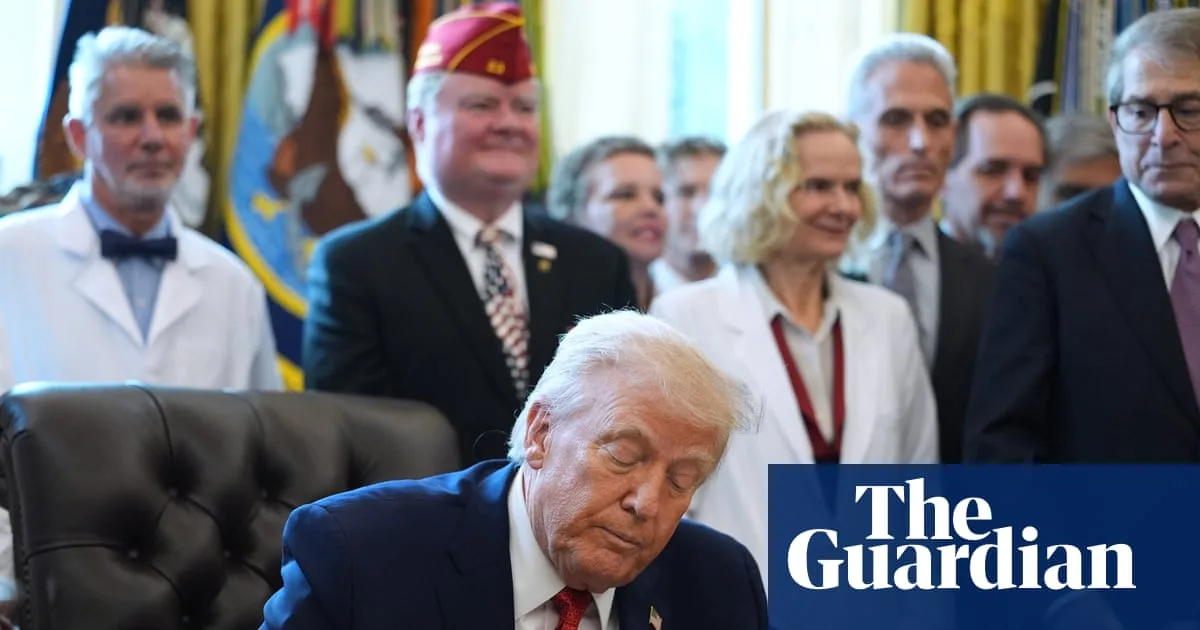
President Trump signed an executive order in December to continue efforts initiated under the Biden administration to reclassify marijuana. Notably, the Biden administration had previously recommended moving marijuana to Schedule III, a less restrictive category than Schedule II. Trump emphasized that this change responds to requests from American patients suffering from conditions such as extreme pain, incurable diseases, aggressive cancers, seizure disorders, and neurological problems.

Public Opinion and Legal Implications

Recent polling data indicates broad public support for loosening marijuana restrictions. A survey conducted earlier this month by the Economist/YouGov found that 53 percent of adults favor legalization, including 35 percent of Republicans. However, it is crucial to note that reclassification would not alter the sentences of individuals currently incarcerated for marijuana possession or dealing. President Trump has clarified that this step does not equate to federal decriminalization, despite many states permitting medical and recreational use.

Administrative Statements and Future Steps

A White House official stated that the administration is working expeditiously to implement Trump's executive order, aiming to bridge the gap between current medical marijuana use and scientific knowledge. The DEA determines drug classifications based on factors such as medical utility, abuse potential, and dependence risks. As this process unfolds, the Department of Justice and DEA have been contacted for confirmation, following initial reports by Axios.

In summary, the Trump administration's push for marijuana reclassification represents a significant policy shift, driven by medical considerations and public sentiment, though it stops short of broader legalization or decriminalization at the federal level.

Pickt after-article banner — collaborative shopping lists app with family illustration