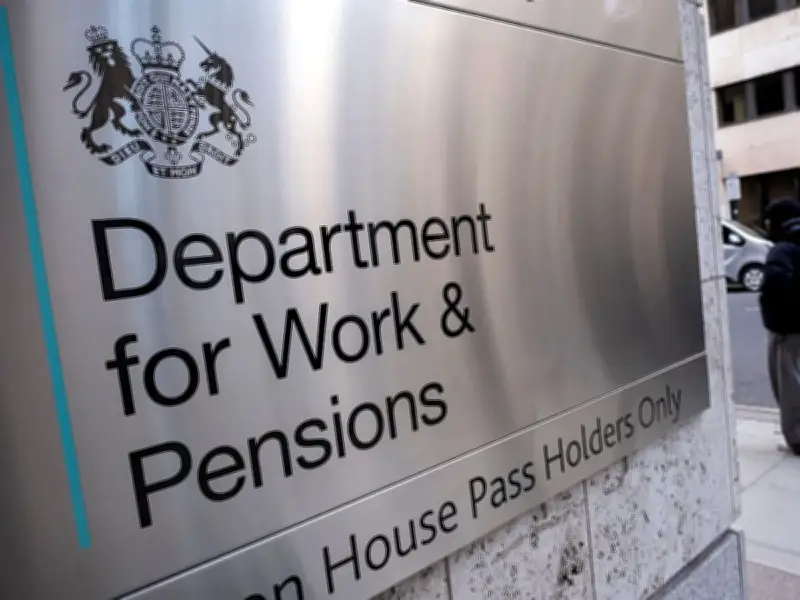
The Department for Work and Pensions (DWP) has confirmed it has "no plans" to lower the State Pension age, responding to a petition signed by more than 17,000 people.
The petition, launched on June 25, 2026, by Helen Grice, called on the Government to lower the State Pension age rather than increase it. It argued that longer working lives reduce job opportunities for young adults.
The petition reads: "Lower the State Pension age for workers so young adults that don't currently work have more chance of getting a job. The longer people are having to work the fewer jobs there are out there for young adults.
"If the Government lowered the State Pension age we believe it could encourage retirement so that employers might take on a young adult to fill the space – that would help young people get jobs and also help the older generation that have done their bit for society and get to enjoy the last few years of their life."
Government response and current age rules
The DWP issued its response on October 12, stating it has "no plans" to lower the State Pension age. The State Pension age is currently 66, rising to 67 by 2028, with the Government legally obliged to periodically review the age. A timetable for future changes was published with the Pensions Act 2014.
The DWP said: "We are fortunate today that more people are reaching old age: life expectancy has risen rapidly over the past century, driven by breakthroughs in medical treatments and generally healthier lifestyles.
"In 2026, for example, men aged 66 in the UK can be expected to live on average a further 19.3 years, and women aged 66 a further 21.9 years."
Fairness between generations
The department added that State Pension age policy accounts for people living longer and an ageing society, with some rises being necessary to "maintain fairness between generations, protect the public finances, and strengthen the State Pension by ensuring it will be there for decades to come."
A review into the State Pension age is currently underway, which the DWP says will be balanced with "fairness and sustainability", looking at a wide range of evidence.
The DWP also highlighted youth employment measures, stating: "With around one million young people not in education, employment and training, this Government will not leave an entire generation of young people behind."
The Government is investing an additional £2.5 billion by 2029 into the Youth Guarantee and the Growth and Skills Levy. This investment will support almost one million young people and create up to 500,000 opportunities to earn and learn, including through expanded network of Youth Hubs, earlier intensive support in Jobcentres through a new Youth Guarantee Gateway, additional work experience and training opportunities, a £3,000 Youth Jobs Grant and £2,000 apprenticeship hiring payment for employers, and a fully funded six-month job for long-term unemployed 18–24-year-olds.