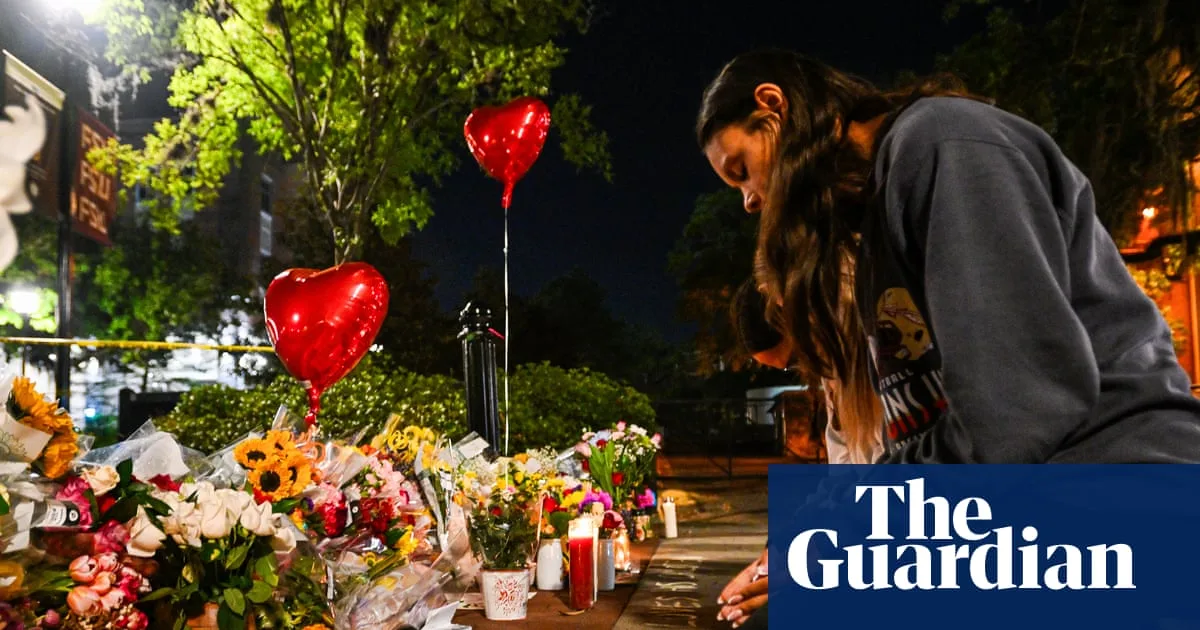
Florida’s attorney general, James Uthmeier, has announced a criminal investigation into OpenAI, probing whether its ChatGPT chatbot provided “significant advice” to a gunman accused of a mass shooting at Florida State University last year. Uthmeier stated at a press conference that a review of communications showed ChatGPT advised the shooter on weapon selection and ammunition, adding that “if this were a person on the other end of the screen, we would be charging them with murder.”
The investigation, escalated from an earlier inquiry into national security concerns, includes subpoenas issued to the California-based tech firm. The move follows revelations from lawyers representing the family of Robert Morales, a victim killed in the April 2024 shooting that left two dead and six injured. They claimed the suspected shooter, Phoenix Ikner, then 20, communicated extensively with ChatGPT before the attack, seeking details on firearms and targeting campus crowds.
Ikner, who has pleaded not guilty, is due to stand trial in October on charges of first-degree murder. Uthmeier emphasised that the probe will examine “who knew what, designed what or should have done what,” noting that AI does not exempt criminal culpability. OpenAI spokesperson Kate Waters countered that ChatGPT provided only factual responses drawn from public sources and did not encourage illegal activity, stating the company is cooperating with law enforcement.
The announcement comes amid a broader backdrop of lawsuits against AI firms over chatbot influence in harmful acts. The Florida case also follows a separate mass shooting in Louisiana, where eight children were killed in a domestic incident.