AI Seat Belt Cameras in Western Australia Draw Heavy Criticism from Motorists
Australian drivers in Western Australia have voiced strong opposition to AI-powered seat belt enforcement cameras, labelling the system as unfair and describing a feeling of being 'guilty until proven innocent'. The controversial technology, activated in early October 2025, has already resulted in more than 53,000 infringement notices, accumulating fines exceeding $29 million.
Substantial Number of Fines Withdrawn Following Appeals
The Department of Transport has withdrawn approximately 2,050 of these fines, equating to around $1 million in waived penalties. Furthermore, a total of 3,381 fines were formally appealed, with about 60 per cent of those appeals leading to cancellations. This high success rate for challenges has fuelled public scepticism regarding the accuracy and fairness of the automated system.
Campaigner Labels Technology a 'Fiasco'
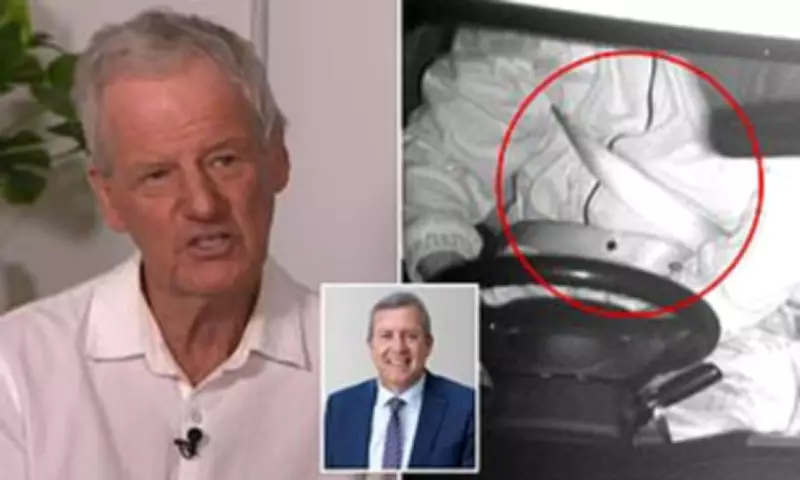
Ross Taylor, a Perth grandfather actively campaigning against the AI cameras, has characterised the rollout as a 'fiasco'. He argues that the cameras are disproportionately targeting minor infractions that contribute little to road fatalities, while generating significant revenue.

'These cameras should be catching people who are holding a phone whilst driving and those who are not wearing their lap belt - which we know accounts for only 10-15 per cent of all seat belt fines,' Taylor told The West Australian. 'The really big money is for sash belt related offences that do not cost virtually any lives, whilst bringing in $550 for each offence.'
Taylor contends the system inherently assumes guilt, forcing motorists to challenge authorities to prove their innocence, a process where they have a 60 per cent chance of success. 'How shocking,' he added.
Legal Concerns Over 'Single Moment' Evidence
Legal professionals have raised significant concerns. Barrister Tom Dellar of Perella Legal revealed in March that his firm had been approached by more than 80 individuals disputing their fines. He highlighted a critical flaw in the evidence gathering.
'The cameras only capture a single moment in time,' Dellar explained to The Sydney Morning Herald. 'If the driver honestly believed their passenger was properly belted up and it was reasonable for the driver to believe that then they may have a defence.'
This issue is compounded by cases where drivers have been fined for passengers not wearing seat belts correctly, a responsibility they argue is difficult to monitor continuously.
Government Defends Cameras as Life-Saving Tools
In contrast, WA Police and Road Safety Minister Reece Whitby has staunchly defended the technology, insisting it is saving lives by altering driver behaviour.
'These new safety cameras have actually changed (driver) behaviour on our roads,' Minister Whitby told ABC Radio. 'We're seeing offences being picked up at a scale we've not seen before because the cameras actually look down into the (vehicle) cabin. That's a good thing.'
The Minister noted that less than four per cent of all issued seat belt fines had been withdrawn, asserting, 'The vast majority of fines are accurate.' He assured that anyone who believes they have been wrongly fined will receive fair consideration. He also confirmed that instances of multiple fines for the same offence on a single day have been waived.
Review Planned as Rollout Continues
The Road Safety Commissioner has announced a review will be conducted into all infringements issued across the state, including those from the AI traffic cameras. Despite the controversy, the government plans to roll out more AI cameras across Western Australia in what it describes as a 'careful and considered way'.
Since October 8, 2025, the new safety cameras have been enforcing:
- Mobile phone use while driving
- Seat belt non-compliance
- Speeding offences
All revenue generated from these camera infringements is directed into the Road Trauma Trust Account, where it is legally required to be used for road safety initiatives. The debate continues over whether this technology primarily enhances safety or unfairly penalises drivers, with the public awaiting the outcomes of the promised review.