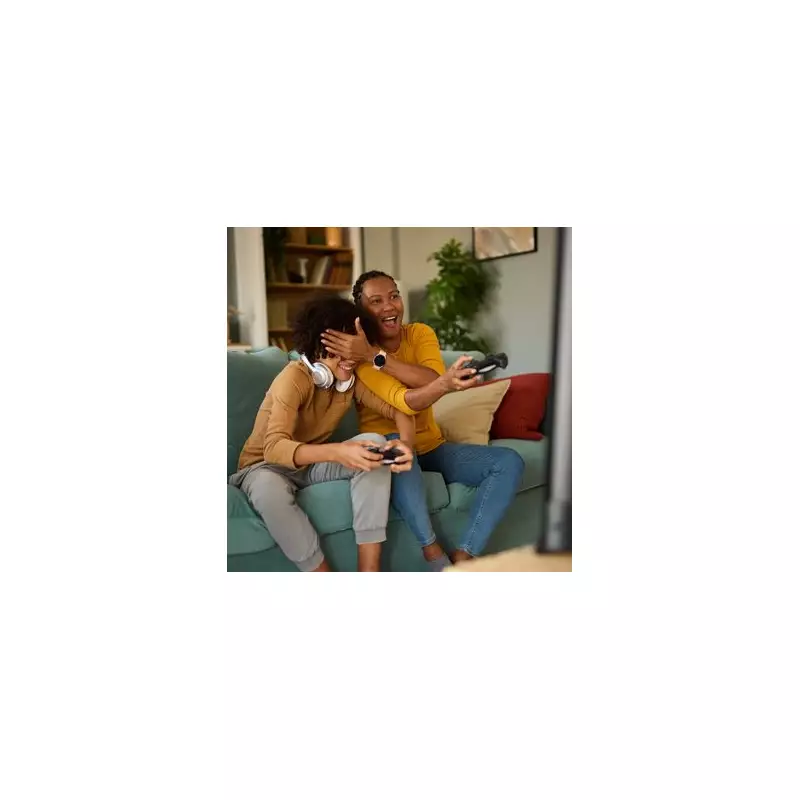
Forget quiet evenings with a book; the modern British family night in is now more likely to feature the sounds of a video game console and shared laughter. A major new survey has revealed that playing video games together has surged to become one of the nation's favourite ways for parents and children to bond.
The New Blueprint for Family Time
The research, commissioned by Konami to launch the Nintendo Switch game 'Survival Kids', polled 1,000 children aged six to twelve and their parents. It found that the average household now enjoys four dedicated nights in together each month, equating to roughly one per week. In a deliberate effort to break from routine, 56% of parents make a regular point of scheduling this quality family time.
While traditional activities like cooking together, hosting quizzes, and crafting remain popular, the data shows a clear shift. Both parents and children unanimously agreed that their top two pursuits are watching films and playing video games. This signals a significant cultural move towards interactive, screen-based entertainment as a core family pastime.

Gaming: The Ultimate Family Connector
The statistics around gaming are particularly striking. A staggering 86% of parents now identify as video gamers themselves, with 90% regularly playing cooperative games with their children. The study suggests gaming is a two-way street for learning: in 58% of cases, parents introduced their children to gaming, but in a substantial 36%, the roles were reversed, with kids showing their parents the ropes.
The benefits of this shared digital play are felt deeply by all generations. Among children who game with their parents, 80% find it enjoyable, 67% value the quality time with mum or dad, and 56% relish the team spirit. For adults, gaming with their offspring is seen as a powerful tool that strengthens their bond, improves communication, and offers a fun distraction from daily worries.
Perhaps most importantly, the data from OnePoll.com indicates that many parents feel they understand their children better through gaming, with numerous reports of children opening up more since they started playing together.
Why Family Nights Matter More Than Ever
The study underscores the high value placed on these shared evenings. A whopping 73% of parents believe it is crucial to have regular family nights in. For 66%, these nights are not just fun but actively enhance the family's overall mood and relationships. They provide a rare opportunity for adults to show their playful side and for families to learn about each other's hobbies in a relaxed setting.
Beyond gaming, the survey revealed a charming list of other activities that contribute to the perfect family night. Children expressed enthusiasm for making dance videos (25%), building blanket forts (22%), and having family 'spa nights' (20%). The ultimate recipe, according to respondents, includes matching pyjamas, pizza, and, of course, video games.
A spokesperson for Konami commented on the findings: "The research shows how families ensure they have quality time together despite all the mayhem of busy lives. Setting aside just a few nights a month allows parents and children to forget their worries and simply have fun together." They added, "We love to see how video games can help bring families together with modern games nights becoming the new ultimate family night in."
The Top 30 Activities for the Ultimate Family Night In:

- Watch a new film
- Play video games
- Watch a TV series
- Play board games
- Play card games
- Cook together
- Puzzles
- Bake together
- Watch a nostalgic film
- Making/eating themed food
- Have a quiz / trivia night
- Watch old family videos
- Wearing matching pyjamas
- Take selfies
- Tell made up stories to one another
- Read a book aloud together
- Crafts (e.g. make something)
- Colouring in
- Create dance videos (e.g. for TikTok)
- Have a karaoke sing off
- Put on a family talent show
- Painting (e.g. each other’s portraits)
- Making a blanket fort/den
- Have a ‘spa night’ (e.g. facemasks, paint nails etc.)
- Build something with building blocks
- Have a bake-off / cooking competition
- Do an indoor treasure hunt
- Play charades / Pictionary
- Have an indoor ‘campout’ (e.g. with a tent, smores etc.)
- Style each other’s hair