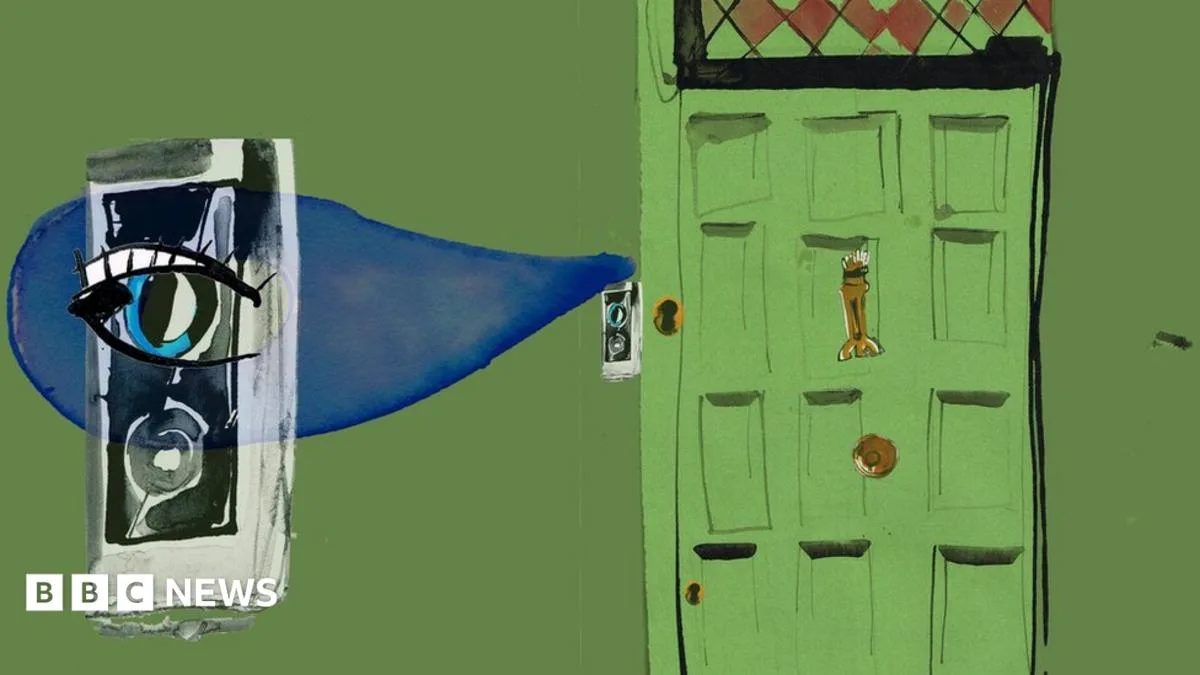
The number of domestic abuse cases has risen sharply since the UK's Covid lockdown, with technology playing a significant role. Smart speakers, tracking apps and key-logging software are among the tools that have made it easier for perpetrators to maintain control over victims, according to domestic-violence charity Refuge, which says more than 70% of those it supports have reported tech-related abuse within a relationship.
Victims have described how everyday internet-connected devices were used to monitor their movements. One woman, identified as Kate, said her partner used a Ring doorbell camera to track her when he left the house. Another, Sue, explained how her partner used Amazon's virtual assistant to listen in remotely via the 'drop-in' feature on Alexa devices placed throughout their home. Both women spoke to BBC Click under pseudonyms.
Abuse experienced by men also increased during the pandemic, with the Respect Men's Advice Line receiving 5,000 more calls at the start of the UK lockdown than in the same period the previous year. However, women remain far more likely to be affected. According to the Office for National Statistics, three-quarters of domestic abuse victims recorded by police last year were female. Dr Leonie Tanzer, who is leading a study on gender and internet-of-things devices at University College London, says the perpetrator often purchases and maintains the device, giving them control over both the environment and its admin settings.
A landmark domestic abuse bill aims to make it illegal to use modern technology to track or spy on partners or ex-partners. The legislation, which covers England and Wales, includes a statutory definition of domestic abuse that recognises coercive or controlling behaviour involving smart technologies, and gives police extra powers to respond to such cases. The law is expected to receive Royal Assent in the coming months.
While technology can offer solutions to victims, Refuge warns that some safety apps pose further risks. The charity says apps developed to protect victims have often clear failings, such as features that disclose a victim's location, which could compromise their safety.