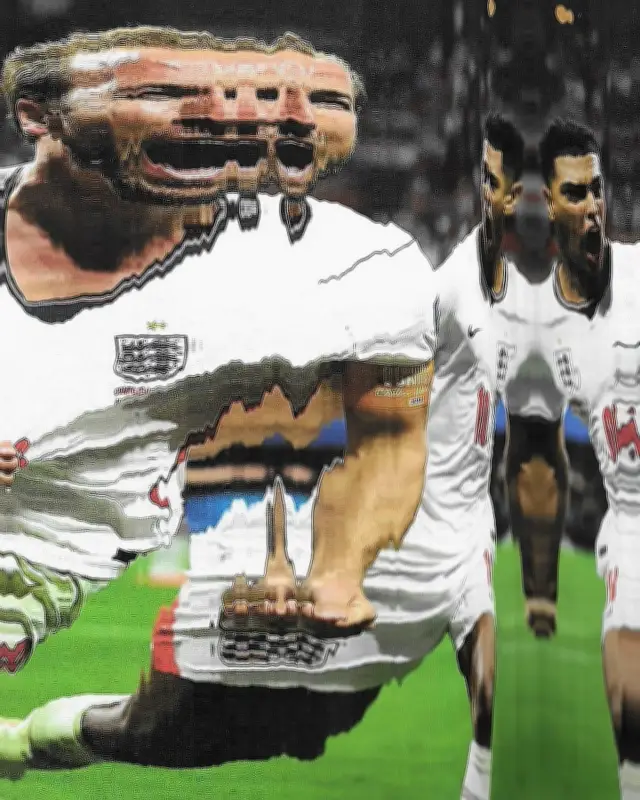
Picture editor Jonny Weeks has never attended a World Cup match, but he has found a way to create experimental images of the tournament using a digital flat-bed scanner. By adapting photographs taken by accredited photographers, Weeks produces slit-scan effects that warp reality, celebrating the distortion known as 'rolling shutter'.
What Is Slit-Scan Photography?
Slit-scanning is an alternative photographic process that dates back to the late 1930s. Mechanical slit-scanning was first used by Hollywood engineer Lorenzo Del Riccio, who created the 'circular flow camera' for the Del Mar Thoroughbred Club in the US. The camera recorded the finish of horse races, distorting body parts that moved faster or slower than the film. Later, Life magazine photographer George Silk used slit-scanning at the 1960 Olympic try-outs to capture impressionistic views of athletes.
A Simpler Method with a Scanner
Weeks explains that while traditional slit-scanning involves a narrow slit in an analogue camera, a simpler method uses printed photographs and a flat-bed scanner. The scanner moves a sensor across the image, capturing different parts at different times, creating a warped effect. This technique has gained popularity during the World Cup, with photographers like Florence Pernet creating viral images by photographing their TV screens.

Experimenting with Motion
Weeks found that certain images suit specific types of motion. For Harry Kane's goal celebration, he used a jagged approach based on serendipity, while later scans, such as a mirrored image of Kylian Mbappé, were premeditated. He notes that the original photographs required immense skill, but the scanner allows for playful reinterpretation.
A Trend in Alternative Photography
The World Cup has seen a rise in photographers using unique methods. Getty's Shaun Botterill recently shot in Mexico with the same film stock he used in 1986. Others employ vintage cameras, infrared imaging, and prismatic filters. Weeks defends the distortion of reality, stating that photography is both an artistic medium and a documentary tool, and that there are no rules.