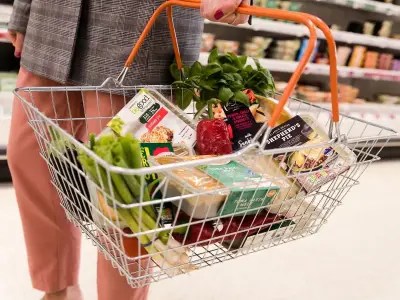
Doomsday preppers across the UK are being warned that a major oversight in their emergency planning could jeopardise their food supply. While stockpiling tins and pasta is a sensible step, experts say that without an adequate supply of clean water, even the most well-stocked cupboards will quickly become useless.
Water matters more than food
Marcus Clarke, founder of The Prepared Household, said this is a common trap. "It's a pattern we observe time and again," he explained. "People focus on non-perishable foods, which is a great start, but they often forget that without adequate clean water, even the best-stocked larder quickly becomes unusable. In the short term, water matters far more than food."
Despite the UK's generally robust infrastructure, disruptions such as burst mains, contamination warnings, and power outages affecting treatment plants are a regular reality across the UK. Clarke warned that a household could boast a weeks-long food supply, but face a completely derailed preparation strategy within days if a local water company issues a boil notice or cuts off the supply.
Official guidance on water storage
The government's official Prepare campaign echoes this sentiment, listing bottled water as a fundamental essential. The general rule of thumb is to store at least three litres of water per person, per day, to cover drinking, basic hygiene, sanitation, and cooking. For a typical family of four, this equates to 12 litres daily, or 36 litres for a minimum three-day supply.
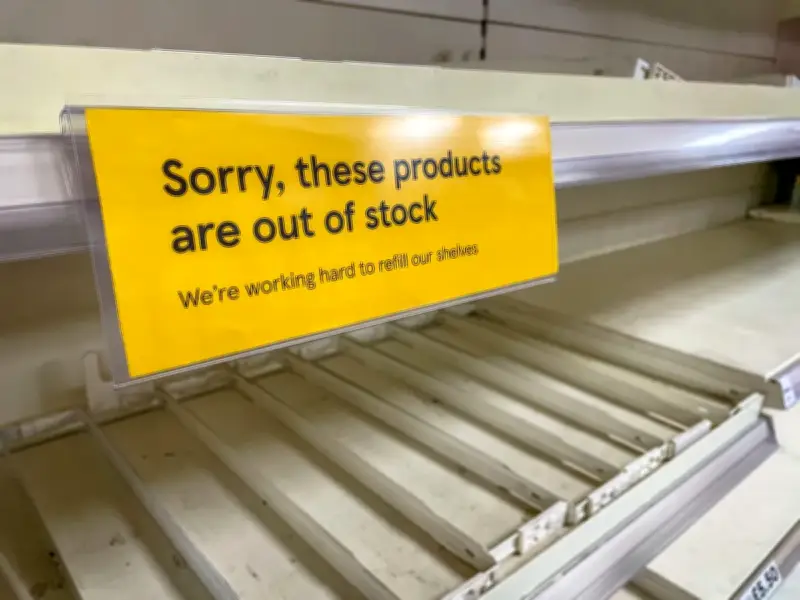
"Most people simply don't have that much stored, and they haven't thought about how they'd acquire more if the mains supply failed," Clarke added. He noted that this lack of foresight often triggers a panic-buying rush on supermarkets, exacerbating shortages during a crisis.
Building practical resilience
To build true resilience, households are advised to keep clean, sealed containers of water - such as shop-bought bottles - in a cool place out of direct sunlight, rotating the stock every six months. Furthermore, families should consider buying longer-shelf-life foods that require minimal water to prepare, such as ready-to-eat meals or dried fruits, rather than relying entirely on water-heavy staples like dry rice and pasta.
"The goal isn't to live in fear, but to build practical resilience," Clarke concluded. By addressing this critical water gap, households can significantly enhance their ability to navigate unexpected disruptions.