Hollywood is releasing three major films this year that take aim at tech titans Mark Zuckerberg, Elon Musk and Sam Altman, but their arrival may say more about studio opportunism than a unified critique of the industry.
The trio of tech films
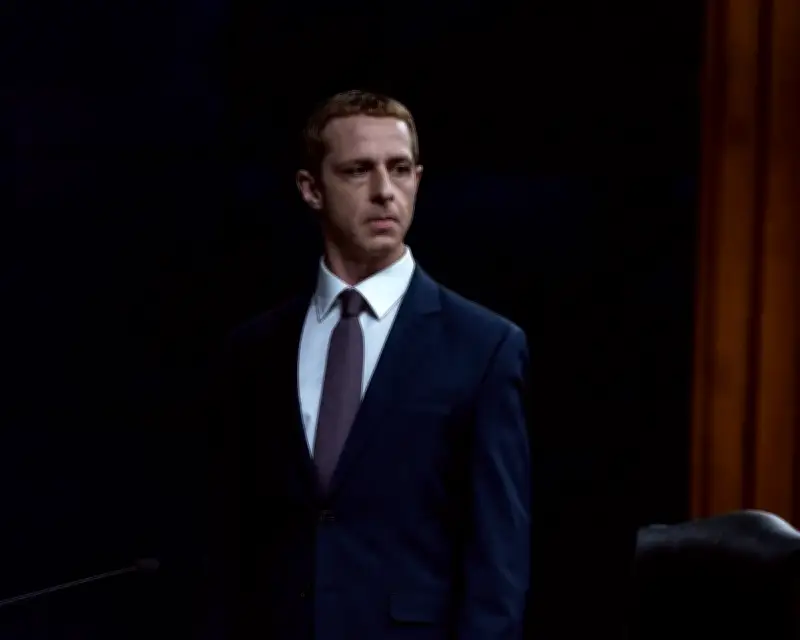
The Social Reckoning, starring Jeremy Strong as Zuckerberg, is Aaron Sorkin's pseudo-sequel to The Social Network. It follows Facebook whistleblower Frances Haugen (Mikey Madison), who exposed the company's algorithm for radicalising the "alt-right" and harming teen mental health.
At the BFI London film festival this week, two more films premiere in the UK. Musk is a four-hour documentary from Alex Gibney, who previously covered the Enron scandal and Theranos founder Elizabeth Holmes. Artificial, directed by Luca Guadagnino, stars Andrew Garfield as OpenAI co-founder Sam Altman, who was fired and rehired by his own board a year after ChatGPT's release.
Context and controversy
The projects arrive with buzz beyond their directors' credentials. Zuckerberg, Musk and Altman are among the biggest names in tech, and all three recently aligned with President Trump to protect their companies' interests. However, the films may not pose a serious challenge to big tech's impunity.
Amazon declined to distribute Artificial after announcing a $50bn (£38bn) "strategic partnership" with OpenAI. Sony hired an outside law firm to vet every fact in The Social Reckoning, and TikTok and X blocked trailer ads for Musk. These anecdotes are used in marketing to fan audience desire for damning revelations, but they may serve Oscar campaigns more than any real critique.
Tech's grip on Hollywood
Recent surveys indicate young Americans are already turning on tech giants, suggesting these films may be riding a wave of scepticism rather than creating it. Meanwhile, tech's entanglement with Hollywood grows: Meta, OpenAI and xAI have scraped scripts and books without permission to train AI models. In 2025, Disney and Universal sued AI firm Midjourney for copyright theft, though Disney has invested $1bn in OpenAI.
The triple release is less a clear political stance and more studio opportunism. But history shows powerful moguls can be rattled by narratives they don't control. When William Randolph Hearst learned Orson Welles' Citizen Kane was based on him, he tried to sabotage its release—behaviour not beneath Elon Musk. As tech's influence grows, studios may become more likely to censor such films, but artists who take swipes at moguls have history on their side.