Money is central to many people's new year resolutions – whether it's trying to save more, organising what you have already, or improving your spending or saving habits. If you have promised to tackle your finances this year, there are lots of tools and apps that can help you achieve your goal. Here are 26 to help you in 2026.
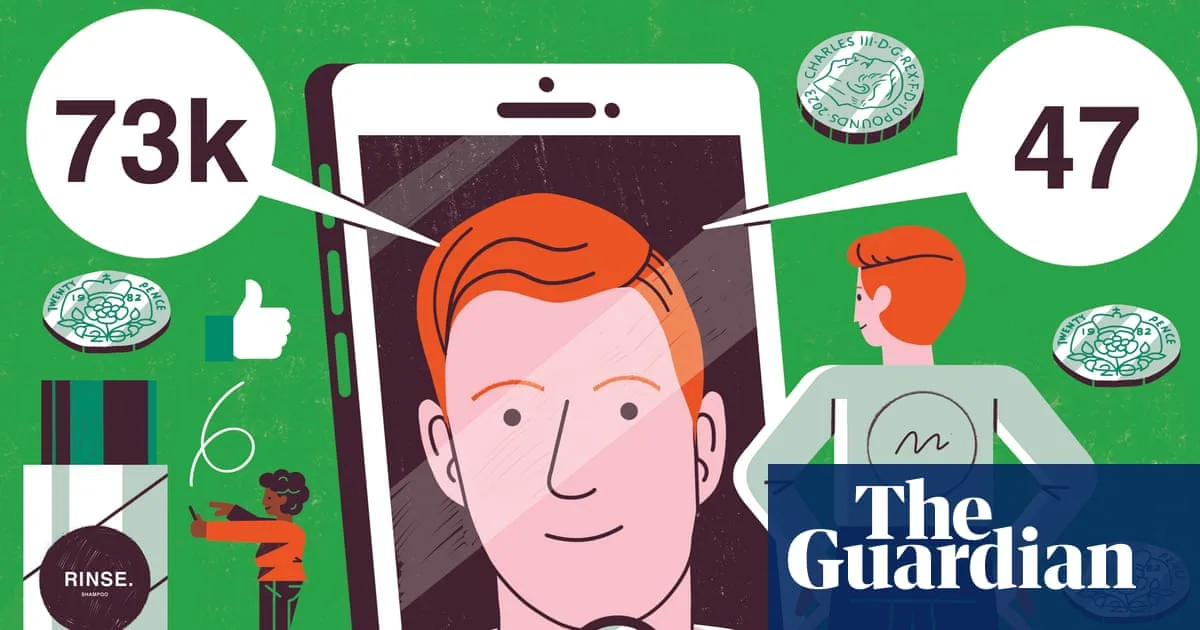
Feeling brave? The Scottish Widows app uses AI to estimate your age from your face and shows the average pension savings for people of that age. When one Guardian Money writer tried it, his age was estimated at 47 – a decade younger than his actual years – with typical pension savings of £75,500 for a 47-year-old, compared with £124,800 for a 57-year-old. The app then lets you input your own figures to see how much you are on track to retire on and how to boost that.
With the 31 January deadline for self-assessment tax returns approaching, the HM Revenue and Customs app can help you file faster. You can access your self-assessment tax reference number, employment income details, and set reminders for payments. HMRC's website lists what you need to access the app.

The Yuka app helps you make healthier choices by scanning barcodes of food and cosmetic products, giving each item a score based on nutritional quality or ingredient safety, and suggesting healthier alternatives. It is free to download with a paid version offering extra features. Similar apps include Open Food Facts and Fooducate.
The charity Turn2us offers a free benefits calculator to check if you are entitled to financial support. It asks about your income, savings, housing costs, and household circumstances, then provides a tailored list of possible entitlements and links to official claim sites. Turn2us also has a grants search tool for financial help from charities, often available to those in certain occupations or with specific health conditions.
MoneySavingExpert's premium bonds calculator lets you enter your bond holdings and a time frame to predict winnings. For example, with £5,000 in bonds, average luck could yield roughly £775 over five years. The calculator uses the latest prize distribution and notes it is only an estimate. It also compares returns with savings account interest and inflation, currently showing taxpayers would be better off in a top-paying cash Isa. Meanwhile, £111m in premium bond prizes remain unclaimed, including 11 worth £100,000 each. You can check for unclaimed wins using NS&I's online prize checker or app, with no time limit for claiming.